
Sourdough pizza
There’s a moment of pure magic when you slide a raw pizza onto a blisteringly hot stone and watch it transform. The dough puffs and blisters, the cheese bubbles and browns, and the aroma of toasted wheat and tangy fermentation fills the kitchen. This isn’t just pizza; it’s sourdough pizza, where the crust is the star—a chewy, airy, flavor-packed canvas with a story told through its irregular holes and perfect char.
As a chef who has made thousands of pizzas, I can tell you that mastering this recipe is one of the most rewarding skills a home cook can achieve. It connects you to the timeless craft of baking, turning simple flour, water, and your own sourdough starter into something extraordinary. Let’s make that magic happen in your kitchen.
This recipe delivers a professional-quality pizza experience at home, focusing on technique and flavor.
- Complex, Tangy Flavor: The long, slow fermentation with your sourdough starter develops deep, nuanced flavors that commercial yeast simply can’t replicate.
- Incredible Texture: Expect a crust that’s crisp and charred on the outside, with a tender, chewy, and airy interior full of irregular holes.
- Highly Customizable: Once you master the dough, the topping possibilities are endless, from classic Margherita to creative seasonal combinations.
- Satisfying Process: Working with live sourdough is a rewarding, almost meditative practice that connects you to your food in a unique way.
- Better Digestibility: Many people find the long fermentation of sourdough makes it easier to digest than standard pizza dough.
- Impressive Results: This pizza rivals what you’d get from a wood-fired oven, guaranteed to wow family and friends.
Ingredients You’ll Need
- Let’s gather our ingredients. The beauty of this recipe lies in its simplicity—just flour, water, salt, and your own sourdough starter. Quality matters here, as each component plays a starring role.
- Active Sourdough Starter: This is your leavening agent and flavor engine. Ensure it’s at its peak, bubbly, and active, fed 4-12 hours before use. A sluggish starter will result in a dense crust.
- Bread Flour or Tipo 00: Bread flour provides the high protein content needed for a strong, chewy gluten network. Tipo 00 flour, the Italian standard, yields a more delicate, tender crumb. Both work wonderfully.
- Water: Room temperature water (around 75°F) is ideal for encouraging steady fermentation. The hydration level here (about 65%) creates a dough that’s manageable but still yields an open crumb.
- Fine Sea Salt: Salt tightens the gluten structure and is crucial for flavor. Add it after the initial mix to avoid hindering the autolyse process.
- Olive Oil: A small amount enriches the dough, contributing to a more tender crust and better browning. Use a good-quality extra virgin olive oil.
- Toppings: Keep them simple to let the crust shine. I recommend high-quality crushed San Marzano tomatoes, fresh mozzarella (not the low-moisture block), and fresh basil.

Note: You’ll find the complete list of ingredients, along with their exact measurements, in the printable recipe card at the bottom of this post.
Kitchen Equipment Needed
You don’t need a professional pizza oven, but a few key tools will make the process smoother and the results better.
- Digital Kitchen Scale: This is non-negotiable for baking. Measuring by weight ensures accuracy and consistent results every time.
- Pizza Stone or Baking Steel: This is essential for a crisp bottom crust. A steel conducts heat even more efficiently than a stone. Preheat it for a full hour.
- Pizza Peel: A flat, paddle-like tool for launching the pizza into the oven and retrieving it. A wooden peel is best for launching; a metal peel is easier for retrieving.
- Large Mixing Bowl & Bench Scraper: For mixing, folding, and handling the sticky dough without a mess.
- Wire Cooling Rack: Allows air to circulate under the pizza after baking, preventing a soggy bottom.
How to Make Sourdough Pizza Recipe
Step 1: Mix and Autolyse
In your large bowl, combine the bubbly starter and water, stirring until the mixture looks milky. Add all the flour and the salt, and mix with a spatula until no dry bits remain. The dough will be shaggy and rough—that’s perfect.
Cover the bowl and let it rest for 30 minutes. This autolyse period allows the flour to fully hydrate, which makes the dough easier to work with and helps develop gluten strength naturally before we even start kneading. Trust me, this simple rest makes a world of difference in the final texture.
Step 2: Develop Gluten with Folds
After the autolyse, drizzle the olive oil over the dough. Wet your hands to prevent sticking. Perform your first set of stretch and folds: grab one side of the dough, stretch it gently upward, and fold it over the center.
Rotate the bowl a quarter turn and repeat until you’ve gone around the dough 4-5 times. You’ll feel the dough become smoother and more cohesive. Cover and let rest for 30 minutes.
Repeat this fold-rest cycle three more times. Believe me, this gentle method builds incredible gluten structure without the hard work of traditional kneading, and it’s perfect for this high-hydration dough.
Step 3: The Long Fermentation
After the final fold, cover the bowl tightly with a lid or plastic wrap. Let the dough bulk ferment at room temperature (ideally 70-75°F) for 6-8 hours. It should look lively, dotted with bubbles, and have increased in volume by about 50%.
Then, gently transfer the entire bowl to the refrigerator for a cold proof of 12-24 hours. This slow, cold fermentation is the secret weapon. It develops those complex, tangy flavors and makes the dough incredibly easy to shape.
Tip from me: a longer cold proof (up to 48 hours) will only deepen the flavor.
Step 4: Shape and Final Proof
About two hours before you plan to bake, take the dough from the fridge. On a lightly floured surface, use your bench scraper to divide it into two equal pieces. To shape each into a tight ball, gently fold the edges of the dough underneath itself, creating surface tension on top.
Place each ball seam-side down on a floured tray, leaving space between them. Cover loosely and let them rest at room temperature for 1.5 to 2 hours. This final proof allows the dough to relax and come to temperature, which is critical for easy stretching.
If the dough springs back aggressively when you poke it, it needs more time.
Step 5: Preheat, Stretch, and Top
Now, preheat your oven with the pizza stone or steel inside to its absolute highest temperature (500-550°F) for a full hour. Generously flour your pizza peel. To shape, gently press one dough ball into a disc, then use your knuckles to stretch it from the center outwards, leaving a thicker rim for the crust.
Aim for a 12-inch round. Lift the dough and let gravity help you stretch it gently. Lay it on the floured peel.
Quickly add your toppings—a thin layer of sauce, then torn cheese. Give the peel a decisive shake to ensure the pizza slides freely. Now comes the fun part: with a confident forward-and-back jerk, slide the pizza directly onto the hot stone.
Step 6: Bake and Finish
Bake for 7-10 minutes. Watch for the crust to puff dramatically and develop deep, leopard-spot charring. The cheese should be bubbling and slightly browned.
Using your peel, carefully remove the pizza from the oven. Immediately drizzle with a thread of good olive oil and scatter fresh basil leaves over the top. Transfer to a wire rack for just 2-3 minutes—this keeps the bottom crisp.
Step back and admire your creation before slicing. The contrast of the crisp, charred crust with the tender, airy interior is your reward for patience and care.
A few chef-level insights will elevate your pizza from good to exceptional.
- Starter Vitality is Key: Your starter must be active and recently fed. To test, drop a small spoonful into a glass of water; if it floats, it’s ready. A weak starter is the most common reason for dense dough.
- The Windowpane Test: After your series of folds, take a small piece of dough and gently stretch it. If you can stretch it thin enough to see light through it without it tearing (a “windowpane”), your gluten is perfectly developed.
- Flour Your Peel Liberally: The number one launch fail is a stuck pizza. Use a mix of flour and semolina on your peel for the best non-stick surface. The semolina acts like little ball bearings.
- Less is More with Sauce: Over-saucing is a common mistake. Use just enough to coat the dough thinly; too much liquid will steam the crust and prevent it from crisping properly.
- Maximize Oven Heat: If your oven has a broiler element in the top, switch to broil for the last 1-2 minutes of baking. This mimics the intense top heat of a pizza oven for perfect blistering on the cheese and crust rim.
Recipe Variations
- Once you’re comfortable with the base recipe, the world is your oyster. Here are some tested and delicious variations.
- Whole Wheat Blend: Substitute up to 30% of the bread flour with whole wheat flour for a nuttier flavor and extra fiber. You may need to add a touch more water.
- Herb-Infused Crust: Add 2 tablespoons of finely chopped fresh rosemary or thyme to the dry ingredients for a fragrant dough that pairs beautifully with simple toppings.
- White Pizza (Pizza Bianca): Skip the tomato sauce. Top the stretched dough with ricotta, mozzarella, sautéed garlic, and fresh spinach. Finish with lemon zest after baking.
- Spicy Soppressata and Honey: After baking, top your classic Margherita with thin slices of spicy soppressata and a light drizzle of hot honey for a perfect sweet-heat balance.
- Seasonal Vegetable: Use this as a template for farmers’ market finds. Try roasted butternut squash with sage and fontina, or caramelized onions with goat cheese and arugula.
- Breakfast Pizza: Top the par-baked crust with a light layer of béchamel, crispy bacon, and cracked eggs. Return to the oven just until the egg whites are set.
What to Serve With This Recipe
Sourdough pizza is a complete meal, but it shines as part of a relaxed, communal dining experience.
For a casual dinner party, start with a simple appetizer like marinated olives and roasted almonds or a classic Caesar salad. The pizza itself is the main event. For beverages, the tangy crust pairs wonderfully with a crisp, hoppy IPA, a light-bodied red wine like Chianti, or even a sparkling water with lemon.
If you’re serving multiple pizzas with different toppings, cut them into smaller slices so guests can sample each variety. For a truly Italian finish, serve a small digestif like limoncello or a few scoops of lemon sorbet to cleanse the palate.
Storage & Make-Ahead Instructions
- With a little planning, you can enjoy sourdough pizza even on busy weeknights.
- Dough Storage: The shaped dough balls can be refrigerated for up to 3 days after the cold proof. Let them warm up at room temperature for 2-3 hours before stretching and baking. For longer storage, place the dough balls on a parchment-lined sheet, freeze until solid, then transfer to a freezer bag for up to 3 months. Thaw overnight in the fridge, then proceed with the final room-temperature proof.
- Leftover Baked Pizza: Store cooled leftovers in an airtight container in the refrigerator for up to 3 days. Reheat in a skillet over medium-low heat with a lid for a few minutes to crisp the bottom and melt the cheese again. The microwave will make the crust soggy.
- Pre-baked Crusts (Par-baking): For a quick meal, bake the topped pizza for just 5 minutes until the crust is set but not fully colored. Cool, wrap well, and freeze. To finish, bake directly from frozen on a preheated stone until heated through and browned.
Frequently Asked Questions
Q: My starter isn’t very active. Can I still make this recipe?
A: An inactive starter will not provide enough lift, leading to a dense crust. I recommend reviving your starter with 2-3 consistent feedings (equal parts starter, flour, and water every 12 hours) until it reliably doubles in size within 4-8 hours of feeding. A pinch of commercial yeast can be added as a backup in a pinch, but it will alter the flavor profile.
Q: Can I use all-purpose flour instead of bread flour?
A: You can, but the crust will be more tender and less chewy due to the lower protein content. The dough may also be a bit sticker to handle. For best results, stick with bread flour or tipo 00.
Q: Why is my dough so sticky and hard to handle?
A: This is a high-hydration dough, and stickiness is normal. Trust the process. Use wet hands and a bench scraper during the folding stage.
A well-developed gluten network and a proper cold proof will make the dough much more manageable when it’s time to shape.
Q: I don’t have a pizza stone. What can I use instead?
A: A heavy, rimless baking sheet turned upside down and preheated in the oven is a good substitute. A cast-iron skillet can also work—preheat it, then carefully place the stretched dough inside, add toppings, and bake. The results won’t be identical, but they will still be delicious.
Q: How do I get my pizza to slide off the peel easily?
A: Use enough flour/semolina on the peel, and work quickly once the dough is on it. Don’t let the topped pizza sit on the peel for more than a minute or two, or moisture from the toppings will make it stick. Always do a final “shake test” before launching.
Q: My crust is too dense and not bubbly. What went wrong?
A: This usually points to one of three issues: 1) An under-active starter, 2) Under-proofing (the dough didn’t ferment long enough), or 3) Over-handling or degassing the dough when shaping. Ensure your starter is vigorous and give the dough ample time to proof until it’s light and airy.
Q: Can I make the dough in a stand mixer?
A: Absolutely. Mix the ingredients on low speed until combined, then let autolyse. After the autolyse, add the oil and mix on medium-low speed for 5-7 minutes until the dough is smooth and passes the windowpane test.
Then proceed with the bulk fermentation and cold proof as directed.
Final Thoughts
Mastering sourdough pizza is a journey that rewards patience with profound flavor and immense satisfaction. This recipe demystifies the process, breaking it down into manageable steps that honor the slow, natural fermentation that makes sourdough so special. Remember, your first pizza might not be perfect, and that’s okay—each bake is a learning experience.
The real joy is in the process: nurturing your starter, feeling the dough come to life, and finally pulling a blistered, aromatic masterpiece from your own oven. I encourage you to embrace the timeline, trust the techniques, and make this recipe your own. Once you taste that crisp, chewy, tangy crust, you’ll understand why this is more than just pizza.
It’s a homemade triumph. Please share your results and any creative topping combinations you try—I love seeing what you create in your kitchens
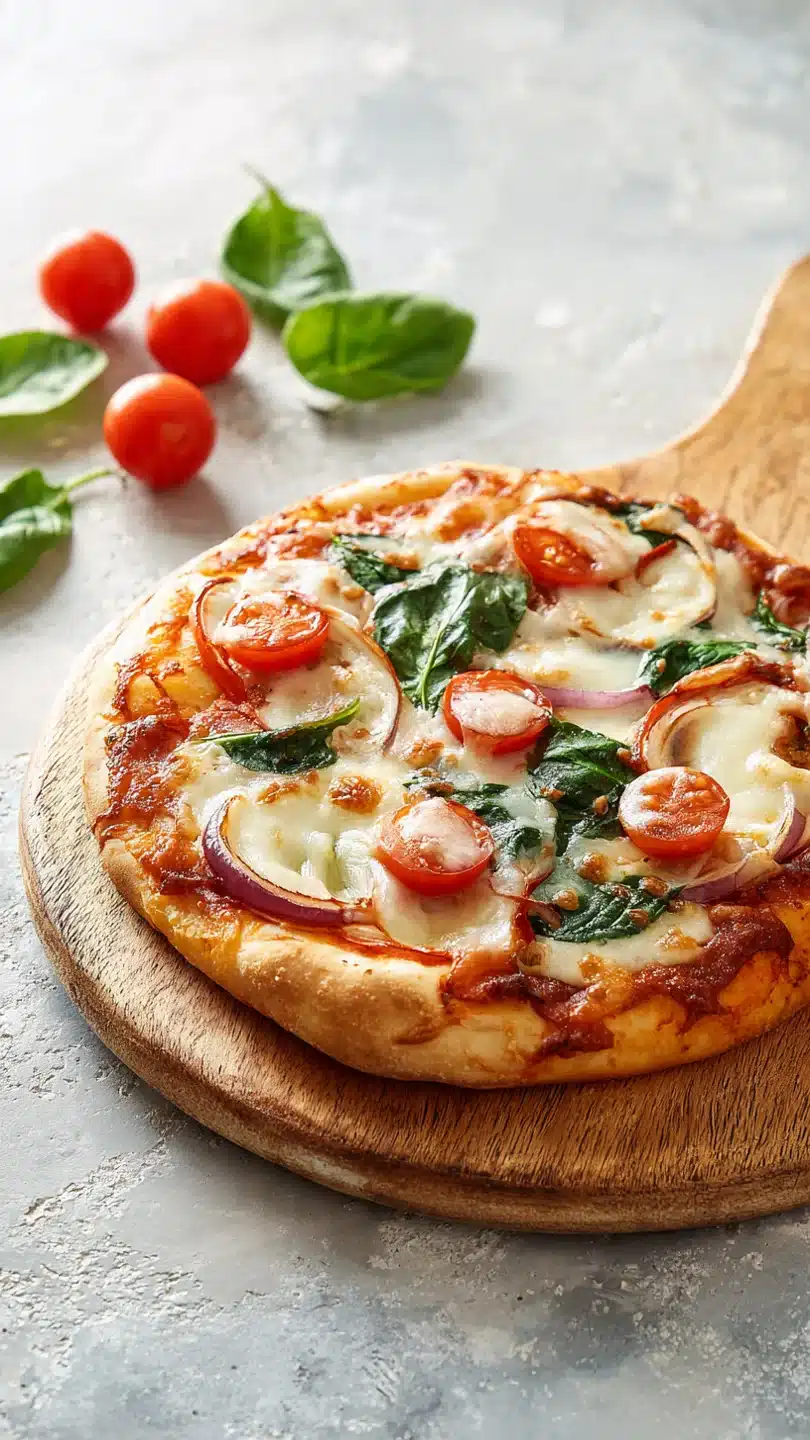
Classic Sourdough Pizza
Ingredients
Equipment
Method
- In a large bowl, combine the active starter and water, mixing until milky. Add the flour and salt. Mix with a spatula until a shaggy dough forms, about 2 minutes. Cover and let rest (autolyse) for 30 minutes to hydrate the flour.
- Add the olive oil to the dough. With wet hands, perform a series of stretch and folds: grab one side of the dough, stretch it up, and fold it over the center. Rotate the bowl and repeat 4-5 times until the dough feels tighter. Cover and let rest 30 minutes. Repeat this stretch and fold process 3 more times at 30-minute intervals.
- After the final fold, cover the bowl tightly and let the dough bulk ferment at room temperature (70-75°F) for 6-8 hours, or until it has increased by about 50% and is full of bubbles. Then, gently transfer the dough to the refrigerator for a cold proof of 12-24 hours.
- Two hours before baking, remove the dough from the fridge. On a lightly floured surface, divide the dough into two equal pieces (about 340g each). Shape each into a tight ball by folding the edges under. Place on a floured tray, cover, and let rest at room temperature for 1.5-2 hours to warm up and relax.
- Place a pizza stone or steel on the middle rack of your oven and preheat to your oven’s highest temperature (500-550°F) for at least one hour. Generously flour a pizza peel. Gently stretch one dough ball into a 12-inch round, leaving a thicker rim for the crust. Transfer the stretched dough to the floured peel.
- Quickly top the dough with a thin layer of crushed tomatoes, leaving a 1-inch border. Scatter the torn mozzarella over the sauce. Give the peel a gentle shake to ensure the pizza isn’t stuck, then swiftly slide it onto the hot stone. Bake for 7-10 minutes until the crust is puffed and charred in spots and the cheese is bubbling.
- Using the peel, remove the pizza from the oven. Immediately drizzle with a little olive oil and scatter fresh basil leaves over the top. Let cool for 2-3 minutes on a wire rack before slicing and serving. Repeat with the second dough ball.


