
Margherita pizza
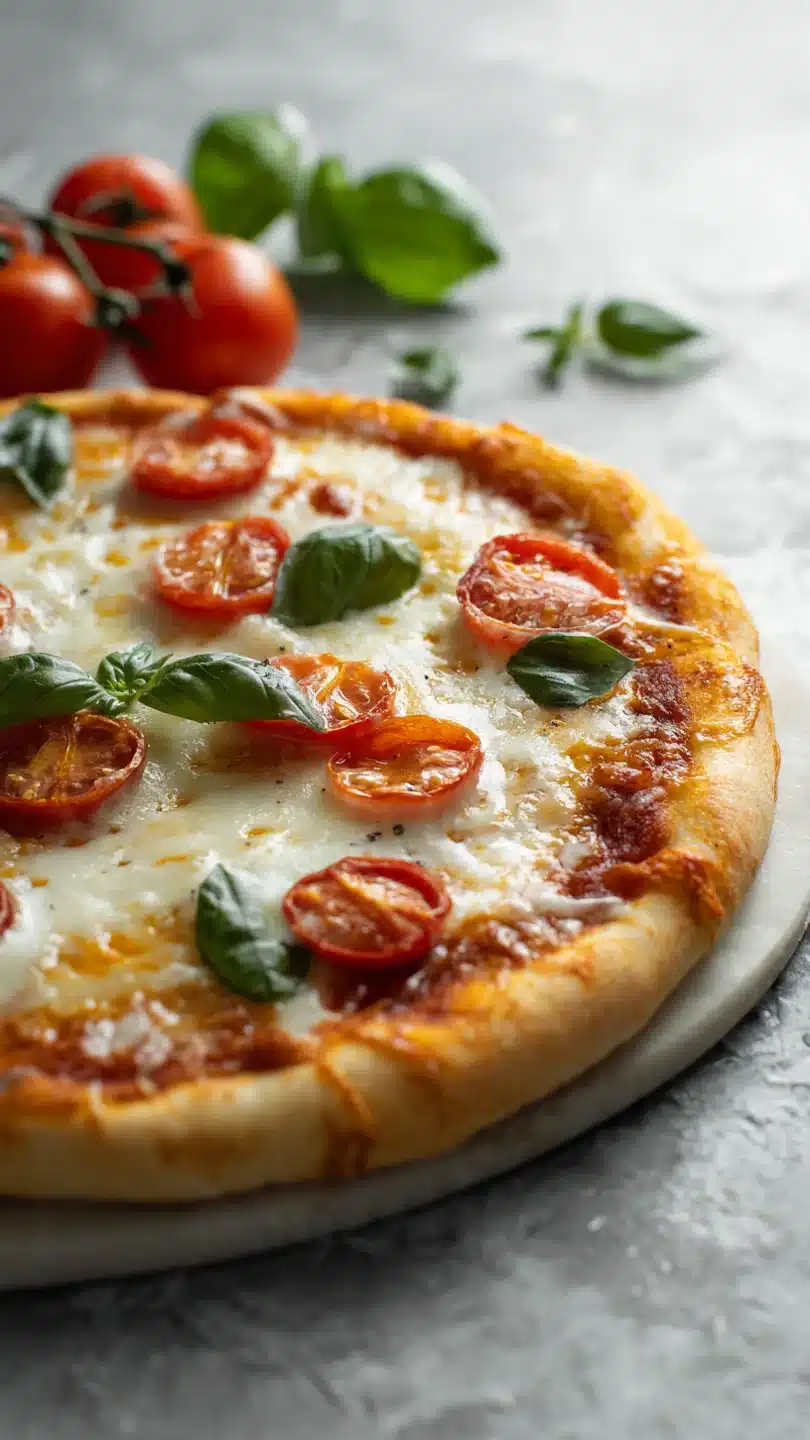
There’s something almost magical about a perfectly made Margherita pizza. It’s not just food; it’s a lesson in restraint and quality. When you get it right, the experience is transformative: a chewy, blistered crust that crackles when you bite, a sauce that tastes purely of sun-ripened tomatoes, milky fresh cheese that melts into creamy pools, and the bright perfume of fresh basil.
As a chef, I’ve made thousands of pizzas, but this simple combination, born in Naples to honor a queen, remains my ultimate test of skill. It proves that with a few extraordinary ingredients and proper technique, you can create restaurant-quality pizza in your own kitchen. Let’s make that happen.
- Authentic Flavor & Texture: This recipe replicates the hallmarks of true Neapolitan pizza—a leopard-spotted, airy cornicione (crust edge) and a tender, flavorful center.
- Simple, Quality Ingredients: With only a handful of components, each one shines. You’ll taste the difference that San Marzano tomatoes and fresh mozzarella make.
- A Rewarding Skill: Mastering homemade pizza dough is a foundational kitchen skill that opens the door to countless variations. The process is deeply satisfying.
- Faster Than Delivery: While the dough needs time to rise, active hands-on time is minimal. From mixing to eating takes about 90 minutes.
- Endlessly Customizable: Once you master this base recipe, you have the perfect canvas for all your favorite toppings.
- Impressive Results: Nothing wows guests quite like pulling a beautifully charred, homemade pizza from your own oven.
Ingredients You’ll Need
Let’s gather our ingredients. The beauty of a Margherita pizza lies in its simplicity, which means each component must be the best you can find. Don’t be intimidated by the short list; this is where quality truly matters.
For the dough, we’re using 00 flour, which is finely milled Italian flour designed for pizza. It creates a tender, chewy crust with less gluten development than bread flour. If you can’t find it, a high-protein bread flour is an excellent substitute and will give you a slightly chewier, more structured crust.
The yeast gives our crust its life and airy texture. For the sauce, San Marzano tomatoes are non-negotiable for me. Grown in the volcanic soil near Mount Vesuvius, they have a sweeter, less acidic flavor and thicker flesh than standard plum tomatoes.
Look for the “DOP” certification on the can for authenticity. For the cheese, seek out fresh mozzarella, sold in water (mozzarella di bufala is sublime, but cow’s milk fior di latte is also fantastic). Its high moisture content creates those beautiful, creamy melt pools.
Avoid pre-shredded, low-moisture mozzarella, as it won’t provide the same texture. Finally, fresh basil and a good extra virgin olive oil for finishing add the final layers of aroma and flavor.

Note: You’ll find the complete list of ingredients, along with their exact measurements, in the printable recipe card at the bottom of this post.
Kitchen Equipment Needed
You don’t need a professional pizza oven to get great results, but a few key tools will elevate your game immensely. The most important is a pizza stone or baking steel. This dense surface absorbs the oven’s intense heat and transfers it quickly to the dough, creating that essential crisp, blistered bottom.
A steel conducts heat even more efficiently than stone. You’ll also need a pizza peel to launch the pizza onto the hot surface. If you don’t have one, an inverted rimmed baking sheet dusted with semolina or cornmeal works as a makeshift peel.
A digital kitchen scale is my strongest recommendation for baking; measuring flour by weight guarantees consistency. A large mixing bowl, a bench scraper for handling the dough, and a rolling pin (though we’ll be stretching by hand) round out the essentials.
How to Make Margherita Pizza Recipe
Step 1: Create the Foundation with Dough
In your large bowl, combine the warm water and yeast. Let it sit for about 5 minutes; you should see a foamy layer form on top—this is proof your yeast is active. Trust me, this step prevents the heartbreak of dough that never rises.
Add the flour and salt. I always mix with a wooden spoon first until a shaggy mass forms, which keeps your hands cleaner. Then, turn it out onto a very lightly floured surface.
Knead for a full 8-10 minutes. You’re looking for a smooth, elastic dough that springs back slowly when poked. This develops the gluten network that will trap gas and give you an airy crust.
Place the dough in an oiled bowl, cover it with a damp towel or plastic wrap, and let it rise in a warm, draft-free spot.
Step 2: Craft the Simple, Vibrant Sauce
While the dough works its magic, let’s make the sauce. This is a salsa cruda—uncooked—to preserve the fresh, bright flavor of the tomatoes. Drain your San Marzano tomatoes, saving the liquid for soup or another use.
Tip from me: crush them by hand in a bowl. You get the perfect rustic texture with some small chunks, which is far superior to a uniform purée. Stir in the minced garlic and salt.
That’s it. Believe me, cooking this sauce would dull its vibrant, sweet-acid balance. Taste it; it should make you think of summer.
Set it aside while you tend to the oven.
Step 3: Prepare Your Oven for Blistering Heat
This is the most common home pizza pitfall: an under-heated baking surface. At least 45 minutes before you plan to bake, place your pizza stone or steel on a middle rack and turn your oven to its absolute highest setting, ideally 500-550°F (260-288°C). The stone needs this long to become fully, deeply hot.
This thermal mass is what instantly sets the bottom of the dough, creating steam for a quick rise and those coveted charred spots. A properly preheated surface is the single biggest factor between a soggy crust and a professional-looking one.
Step 4: Shape Your Pizza with Confidence
Now for the fun part. Gently punch down the risen dough and divide it in two. Form each piece into a tight ball by pulling the edges underneath.
Let them rest for 10 minutes, covered—this relaxes the gluten, making shaping easier. On a lightly floured surface, press one ball into a disc. Using your fingertips, press from the center outwards, leaving a generous, untouched border for your crust.
To stretch it, lift the dough and drape it over your knuckles, gently rotating and letting gravity do the work. Aim for a 10-12 inch round. Don’t worry if it’s not perfectly symmetrical; that’s part of its charm.
Transfer it to a peel generously dusted with semolina or flour.
Step 5: Top Sparingly and Bake to Perfection
Less is more here. Spread a thin, even layer of sauce with the back of a spoon, leaving that beautiful crust border bare. Scatter the torn pieces of fresh mozzarella evenly.
Too much cheese will steam the crust and make it soggy. Give the peel a gentle shake to ensure the pizza isn’t stuck, then confidently jerk it forward onto the preheated stone. Bake for 8-12 minutes, rotating halfway through.
You’re looking for a puffed, deeply browned crust with blackened bubbles and bubbling, slightly browned cheese.
Step 6: The Final Flourish and Serve
The moment it comes out of the oven is critical. Immediately tear fresh basil leaves over the hot pizza—the residual heat will wilt them perfectly and release their essential oils. Drizzle a thread of your best extra virgin olive oil over the top.
Let it rest for just a minute or two; this allows the cheese to set slightly so it doesn’t all slide off when you slice. Use a pizza cutter or sharp chef’s knife, step back, and admire your creation. This pizza is best enjoyed within minutes, while the crust is still crackling.
- The Flour Weight Matters: For absolute consistency, weigh your flour. 3 1/2 cups can vary by over an ounce depending on how you scoop, which affects hydration. 420 grams is your target.
- Windowpane Test for Dough: To know if you’ve kneaded enough, take a small piece of dough and gently stretch it. If you can stretch it thin enough to see light through it without it tearing (a “windowpane”), your gluten is perfectly developed.
- The Launch Shake: Before adding toppings, always give your dusted peel a quick sideways shake. If the dough slides easily, you’re good to go. If it sticks, lift the edge and toss a bit more flour or semolina underneath.
- Sauce Application Secret: Use the back of a ladle or spoon in a spiral motion from the center out. You only need about 1/4 to 1/3 cup of sauce per pizza. A thick layer will steam the dough and prevent a crisp base.
- Cheese Preparation is Key: Tear, don’t slice, your fresh mozzarella. Smaller, uneven pieces melt more evenly and create lovely pockets of creamy cheese rather than a solid, rubbery sheet. If it’s very wet, pat the pieces dry with a paper towel first.
Recipe Variations
- White Margherita (Pizza Bianca): Omit the tomato sauce. After baking, top with fresh ricotta dollops, arugula, a drizzle of olive oil, and a squeeze of lemon.
- Spicy Arrabbiata Twist: Add a pinch of red pepper flakes to your tomato sauce, or drizzle the finished pizza with a spicy chili oil.
- Garlic Infused: For a more pronounced garlic flavor, gently sauté the minced garlic in a tablespoon of olive oil until fragrant before mixing it into the crushed tomatoes.
- Caprese Style: After baking, add halved cherry tomatoes and small balls of fresh mozzarella (bocconcini) along with the basil for a salad-like freshness.
- Prosciutto e Rucola: After the pizza comes out of the oven, drape thin slices of prosciutto over the top and scatter a handful of fresh arugula.
- Four Cheese (Quattro Formaggi): Replace the fresh mozzarella with a blend of equal parts grated fontina, gorgonzola dolce, parmigiano-reggiano, and fresh mozzarella.
- Gluten-Free Adaptation: Substitute the flour with a high-quality 1:1 gluten-free flour blend and add 1 tsp of xanthan gum to the dry ingredients to help bind the dough.
What to Serve With This Recipe
A perfect Margherita pizza is a complete meal, but it shines as part of an Italian-inspired spread. Start with a simple arugula salad dressed with lemon juice, olive oil, shaved parmesan, and pine nuts—the peppery greens cut through the richness of the pizza. For a heartier meal, serve it alongside garlic knots made from extra dough or a bowl of marinated olives and artichokes.
Beverage pairings are flexible: a light, fizzy Prosecco or a Chianti Classico with bright acidity complements the tomatoes beautifully. For a non-alcoholic option, sparkling water with a twist of lemon or a basil-infused lemonade is refreshing. This pizza is ideal for casual Friday nights, summer gatherings on the patio, or as the star of a game-day spread.
Storage & Make-Ahead Instructions
- Dough Storage: The pizza dough can be made ahead. After the first rise, punch it down, divide it, place each ball in an oiled container, and refrigerate for up to 3 days. This slow, cold fermentation actually develops more flavor. Let it come to room temperature for an hour before shaping.
- Freezing Dough: For longer storage, place the oiled dough balls in individual freezer bags, squeeze out the air, and freeze for up to 3 months. Thaw overnight in the refrigerator, then bring to room temperature.
- Leftover Pizza: Store any leftover baked pizza in an airtight container in the refrigerator for up to 3 days.
- Reheating for Best Results: To recrisp the crust, reheat slices in a dry skillet over medium heat for 2-3 minutes per side, or directly on the rack of a 375°F (190°C) oven for 5-7 minutes. Avoid the microwave, which makes the crust tough and rubbery.
- Sauce Storage: Any leftover tomato sauce will keep in an airtight container in the fridge for 1 week or can be frozen for 3 months.
Frequently Asked Questions
Q: Can I use all-purpose flour instead of 00 or bread flour?
Yes, but the results will differ. All-purpose flour has a lower protein content (typically 10-12%), so your crust will be more tender and less chewy, with less oven spring. It will still be delicious, just not as authentically Neapolitan in texture.
Q: My dough isn’t stretching and keeps snapping back. What did I do wrong?
This means the gluten is too tight and needs to relax. Simply cover the dough with a towel and walk away for 10-15 minutes. The gluten strands will relax, making the dough much more pliable and easier to shape.
Q: I don’t have a pizza stone. What can I use instead?
A heavy, rimless baking sheet or the back of a cast-iron skillet can work in a pinch. Preheat it in the oven just like a stone. For a crisp bottom, you can also bake the shaped dough on a sheet of parchment paper set directly on a preheated oven rack for the first few minutes.
Q: Why is my pizza crust soggy in the middle?
The two most common culprits are too much sauce or cheese (which releases water as it cooks) and an under-heated baking surface. Ensure your stone preheats for a full 45+ minutes and use toppings sparingly.
Q: Can I make the dough in a stand mixer?
Absolutely. Use the dough hook attachment on low speed for 8-10 minutes after the ingredients are combined. Stop the mixer and check for the windowpane test to avoid over-kneading.
Q: How do I know when the pizza is done baking?
Look for visual cues: the crust should be puffed and have deep golden-brown spots (even some black blisters), the cheese should be fully melted and bubbling, and the bottom, when lifted with a spatula, should be crisp and evenly colored.
Q: Is active dry yeast the same as instant yeast?
They are similar but not identical. Instant yeast can be mixed directly with the dry ingredients. If substituting instant for active dry, you can use the same amount and skip the initial “proofing” step in water.
Recipe Origin or History
The Margherita pizza has a deliciously royal origin story. In 1889, to honor Queen Margherita of Savoy’s visit to Naples, pizzaiolo Raffaele Esposito created three pizzas. The Queen favored one that mirrored the colors of the Italian flag: red (tomato), white (mozzarella), and green (basil).
This pizza was then named in her honor. While some historians debate the tale’s accuracy, it cemented the Margherita as the iconic, purist’s pizza. It represents the soul of Neapolitan cuisine: transforming humble, local ingredients into something sublime through skill and respect for tradition.
Final Thoughts
Mastering this Margherita pizza recipe is more than learning to make dinner; it’s acquiring a fundamental culinary skill that brings joy for a lifetime. The process of feeling the dough come alive under your hands, the scent of baking crust filling your kitchen, and the pride of presenting a beautifully blistered pizza is unbeatable. Remember, your first attempt might not be perfect, and that’s okay.
Each time you make it, you’ll learn more about the dough’s behavior and your oven’s quirks. I encourage you to try this recipe, taste the difference quality ingredients make, and share your results. Did you get a great rise on your crust?
Did the San Marzano tomatoes surprise you with their sweetness? Leave a comment below and let me know how it went. And if you snapped a picture of your masterpiece, tag me on social media—I love seeing your creations.
Now, go preheat that stone and get ready for the best homemade pizza of your life.
Authentic Margherita Pizza
Ingredients
Equipment
Method
- Make the dough. In a large bowl, combine the warm water and yeast. Let sit for 5 minutes until foamy. Add the flour and salt. Mix with a wooden spoon until a shaggy dough forms. Turn out onto a lightly floured surface and knead for 8-10 minutes until smooth and elastic. Place in an oiled bowl, cover, and let rise in a warm place for 1 hour, or until doubled in size.
- Prepare the sauce. While the dough rises, drain the San Marzano tomatoes, reserving the liquid. Crush the tomatoes by hand or with a food processor until mostly smooth but with some texture. Stir in the minced garlic and salt. Taste and adjust seasoning. The sauce should be simple and bright. Set aside.
- Preheat your oven and surface. At least 45 minutes before baking, place a pizza stone or steel on the middle rack of your oven. Preheat the oven to its highest temperature, ideally 500-550°F (260-288°C). The stone needs this time to become fully saturated with heat for a proper crust.
- Shape the pizza. Punch down the risen dough and divide it into two equal balls. On a lightly floured surface, gently press one ball into a disc. Using your fingertips, press from the center outwards, leaving a thicker border for the crust. Lift the dough and gently stretch it over your knuckles, rotating, until you have a 10-12 inch round. Place on a floured peel or inverted baking sheet.
- Top and bake. Spread a thin, even layer of sauce over the dough, leaving a 1-inch border. Scatter the torn mozzarella pieces evenly. Slide the pizza onto the preheated stone. Bake for 8-12 minutes, rotating halfway, until the crust is puffed and deeply browned with charred spots and the cheese is bubbling.
- Finish and serve. Immediately upon removing the pizza from the oven, tear fresh basil leaves over the top and drizzle with a thread of extra virgin olive oil. Let cool for 1-2 minutes before slicing. Repeat with the second dough ball. Serve hot.


