
Deep dish pizza
There’s something deeply satisfying about lifting a slice of deep dish pizza. That moment of resistance as you pull it from the pan, revealing the structural integrity of a golden, buttery crust holding layers of molten cheese, savory meat, and tangy tomato sauce. It’s not just a meal; it’s an edible architecture project.
As a chef who has made countless pizzas, I can tell you that the magic of a great deep dish lies in its contrasts: the crisp, almost pastry-like crust against the soft, gooey interior. This recipe demystifies the process, breaking it down into manageable steps so you can recreate that iconic Chicago-style experience right in your own kitchen. Get ready for a pizza that’s as fun to make as it is to eat.
- Restaurant-Quality at Home: This recipe unlocks the secrets to that iconic tall, flaky crust and perfect layering you find in the best pizzerias.
- Make-Ahead Friendly: Every component—the dough, sauce, and cooked toppings—can be prepared a day in advance, making assembly a breeze.
- Incredibly Customizable: While I provide a classic sausage and cheese version, the framework is perfect for creating your own signature pie with different meats, veggies, or cheeses.
- The Ultimate Comfort Food: This is a hearty, shareable centerpiece meal that’s perfect for game days, family gatherings, or when you simply crave something indulgent and satisfying.
- A Fun Cooking Project: Working with the dough and building the pizza in layers is an engaging process that’s rewarding for both novice and experienced cooks.
Ingredients You’ll Need
Let’s gather our ingredients—this is where the magic starts. Deep dish pizza is about building layers of flavor and texture, and each component plays a specific role. The cornmeal in the dough isn’t just for tradition; it gives the crust its distinctive graininess and helps it stand up to the wet toppings.
Using block cheese that you shred yourself is a non-negotiable pro tip—the cellulose in pre-shredded bags prevents that glorious, stretchy melt we all want. For the tomatoes, I highly recommend seeking out San Marzano DOP tomatoes if you can; their sweet, low-acid flavor and firm flesh make a superior sauce. If using Italian sausage, you can choose mild or hot based on your preference, but do remove it from its casing so it crumbles nicely.

Note: You’ll find the complete list of ingredients, along with their exact measurements, in the printable recipe card at the bottom of this post.
Kitchen Equipment Needed
You don’t need a professional pizza oven for this. The essential piece of equipment is a heavy, oven-safe pan. A 10-inch cast iron skillet is ideal because it retains and distributes heat evenly, ensuring a crisp bottom and sides.
A deep 9 or 10-inch cake pan will also work perfectly. A stand mixer with a dough hook makes the dough effortless, but you can absolutely mix and knead it by hand—just plan on about 10 minutes of kneading. You’ll also need a rolling pin, a saucepan for the sauce, a skillet for browning sausage, and the usual mixing bowls and measuring tools.
How to Make Deep Dish Pizza Recipe
Step 1: Create the Foundation with Dough
In your stand mixer bowl, combine the dry ingredients: flour, cornmeal, salt, sugar, and yeast. Give them a quick mix on low. With the mixer running, slowly stream in the warm water and the melted butter.
Let the mixer work on medium-low for a good 5 to 7 minutes. Believe me, this kneading time is crucial. You’re developing the gluten structure that will give your tall crust its strength and chew.
The dough will transform from shaggy to smooth and will clean the sides of the bowl. It should be soft and slightly tacky, but not overly sticky.
Step 2: The Patient First Rise
Form that beautiful, smooth dough into a ball. Place it in a lightly oiled bowl, turning it once to coat it completely. This prevents a skin from forming.
Cover the bowl tightly with plastic wrap. Now, find a warm, draft-free spot for it to rise. This isn’t a quick-rise pizza dough.
Let it go for a full 1 to 1.5 hours until it’s nearly doubled. This slower fermentation builds deeper, more complex flavors in your crust that you just can’t rush.
Step 3: Build Your Flavor Layers
While the dough does its thing, this is your time to prep everything else. Brown your sausage in a skillet, breaking it into small crumbles, then drain the excess fat. For the sauce, pour your canned tomatoes into a bowl and crush them with your hands—it’s oddly therapeutic and gives you the perfect chunky texture.
Sauté the garlic in olive oil just until fragrant, then add the tomatoes and seasonings. Let it simmer and reduce for 15-20 minutes. Tip from me: You must let this sauce cool before assembling.
A hot sauce will start cooking the cheese and make the dough soggy.
Step 4: The Satisfying Assembly
This is the fun part! Generously butter your cast iron skillet—this adds flavor and ensures a perfect release. Punch down your risen dough and roll it out into a large circle.
Don’t worry about perfection. Drape it into the pan and gently press it up the sides, forming a nice, tall edge. Now, layer in this exact order: all the shredded mozzarella and provolone go directly on the dough.
Next, scatter the cooked sausage evenly. Finally, spoon the cooled tomato sauce over the top, spreading it to the edges. The cheese layer acts as a barrier, protecting the crust from moisture.
Step 5: Bake, Rest, and Devour
Preheat your oven well, to 425°F. Bake the pizza on the lower rack for 30-35 minutes. You’re looking for a deeply golden-brown crust and bubbling sauce at the center.
Now, the hardest but most important step: let it rest. Trust me, let it cool in the pan for a full 10 minutes. This allows the molten cheese to set just enough so that when you slice it, you get clean layers instead of a cheesy landslide.
Run a thin spatula around the edge, slice, and serve right from the pan. Step back and admire your masterpiece.
- Butter is Key: Using melted butter in the dough (instead of just oil) is what gives a true Chicago-style crust its rich, almost shortbread-like flavor and flaky layers. Don’t substitute it.
- Temperature Control: Your water should be around 110°F. Too hot will kill the yeast; too cold will drastically slow fermentation. A quick tip: it should feel warm but not hot on your wrist.
- The Sauce Shield: The reason we put cheese down first, then sauce on top, is science in action. The cheese layer insulates the raw dough from the wet sauce, allowing the crust to bake up crisp instead of steaming into sogginess.
- Don’t Skimp on Resting: That 10-minute cool-down period after baking is non-negotiable. It allows the proteins in the cheese to relax and re-solidify slightly, ensuring your slices hold their structural integrity.
Recipe Variations
- Vegetarian Delight: Omit the sausage and layer in sautéed mushrooms, bell peppers, onions, and spinach. For a richer flavor, add a layer of ricotta cheese beneath the mozzarella.
- The “Meat Lover’s”: Combine cooked Italian sausage with crumbled cooked bacon and slices of pepperoni for an extra-hearty pie.
- Spinach and Artichoke: Mix a 10-oz package of thawed and thoroughly drained chopped spinach with one cup of marinated artichoke hearts (chopped) and a cup of ricotta. Spread this mixture over the cheese layer before adding the sauce.
- Gluten-Free Adaptation: Substitute the all-purpose flour with a high-quality 1:1 gluten-free flour blend that contains xanthan gum. The texture will be slightly more crumbly but still delicious.
- White Pizza: Skip the tomato sauce. Instead, mix shredded mozzarella with ricotta, minced garlic, and chopped fresh rosemary. Top with sauce after baking, if desired.
What to Serve With This Recipe
Deep dish pizza is a complete meal in a pan, but a light, acidic side helps balance its richness. A simple arugula salad with a lemon vinaigrette, shaved Parmesan, and maybe some toasted pine nuts is perfect. For a more substantial spread, serve it with garlic breadsticks or roasted broccoli with chili flakes.
Beverage-wise, a medium-bodied red wine like a Chianti or Sangiovese stands up to the robust flavors, while a crisp lager or pale ale is a classic beer pairing. This pizza is ideal for casual dinner parties, playoff game gatherings, or any occasion where you want to serve something impressively hearty.
Storage & Make-Ahead Instructions
- Refrigeration: Cool leftover pizza completely, then store slices in an airtight container in the refrigerator for up to 4 days.
- Freezing: Wrap individual slices tightly in plastic wrap and then foil. Freeze for up to 2 months. Thaw in the refrigerator before reheating.
- Reheating: To restore crispness, reheat slices in a 375°F oven on a baking sheet for 10-12 minutes, or in an air fryer for about 5-6 minutes. The microwave will make the crust soft and chewy.
- Make-Ahead: You can prepare the dough, sauce, and cooked toppings up to 24 hours in advance. Store the dough ball, covered, in the refrigerator. Let it come to room temperature for about an hour before rolling out.
Frequently Asked Questions
Q: Can I use a pizza stone instead of a cast iron skillet?
A: For true deep dish, you need the high sides of a skillet or cake pan to contain the layers. A pizza stone is designed for thin, flat pizzas and won’t work for this style.
Q: My dough didn’t rise much. What happened?
A: The most common culprits are old/expired yeast or water that was too hot and killed the yeast. Ensure your yeast is fresh and your water is just warm to the touch (110°F).
Q: Can I make this without a stand mixer?
A: Absolutely! Mix the ingredients in a large bowl with a wooden spoon until a shaggy dough forms. Then turn it out onto a floured surface and knead by hand for 8-10 minutes until smooth and elastic.
Q: Why is my crust soggy on the bottom?
A: This usually happens if the sauce wasn’t cooled before assembly, or if the pizza wasn’t baked on the lower oven rack. The bottom needs the most direct heat to crisp up.
Q: What’s the difference between deep dish and stuffed pizza?
A: Great question! Stuffed pizza has a second, thinner layer of dough on top of the toppings, sealing them in, and then sauce is added on top of that. Deep dish has the toppings open-faced, with sauce on top.
Q: Can I use pre-made pizza dough?
A: You can, but the results won’t be the same. Store-bought dough lacks the cornmeal and butter content that defines this crust’s flavor and texture. It’s worth making from scratch.
Q: How do I know when the pizza is done baking?
A: Look for a deep golden-brown crust that’s pulling away slightly from the sides of the pan, and sauce that is bubbling actively in the center. An instant-read thermometer inserted into the cheese layer should read at least 160°F.
Final Thoughts
Mastering this deep dish pizza recipe is a rewarding culinary achievement that will wow your family and friends. It encapsulates what I love about cooking: technique, layered flavors, and a spectacular, shareable result. Remember, the keys are in the details—the butter in the dough, the order of assembly, and that critical resting time.
Don’t be intimidated by the process; each step is straightforward and builds towards that incredible final product. Once you’ve tried this classic version, I encourage you to play with the variations and make it your own. I’d love to hear how it turns out for you—share your creations and any questions in the comments below.
Now, go preheat that oven and get ready for the best homemade pizza night ever
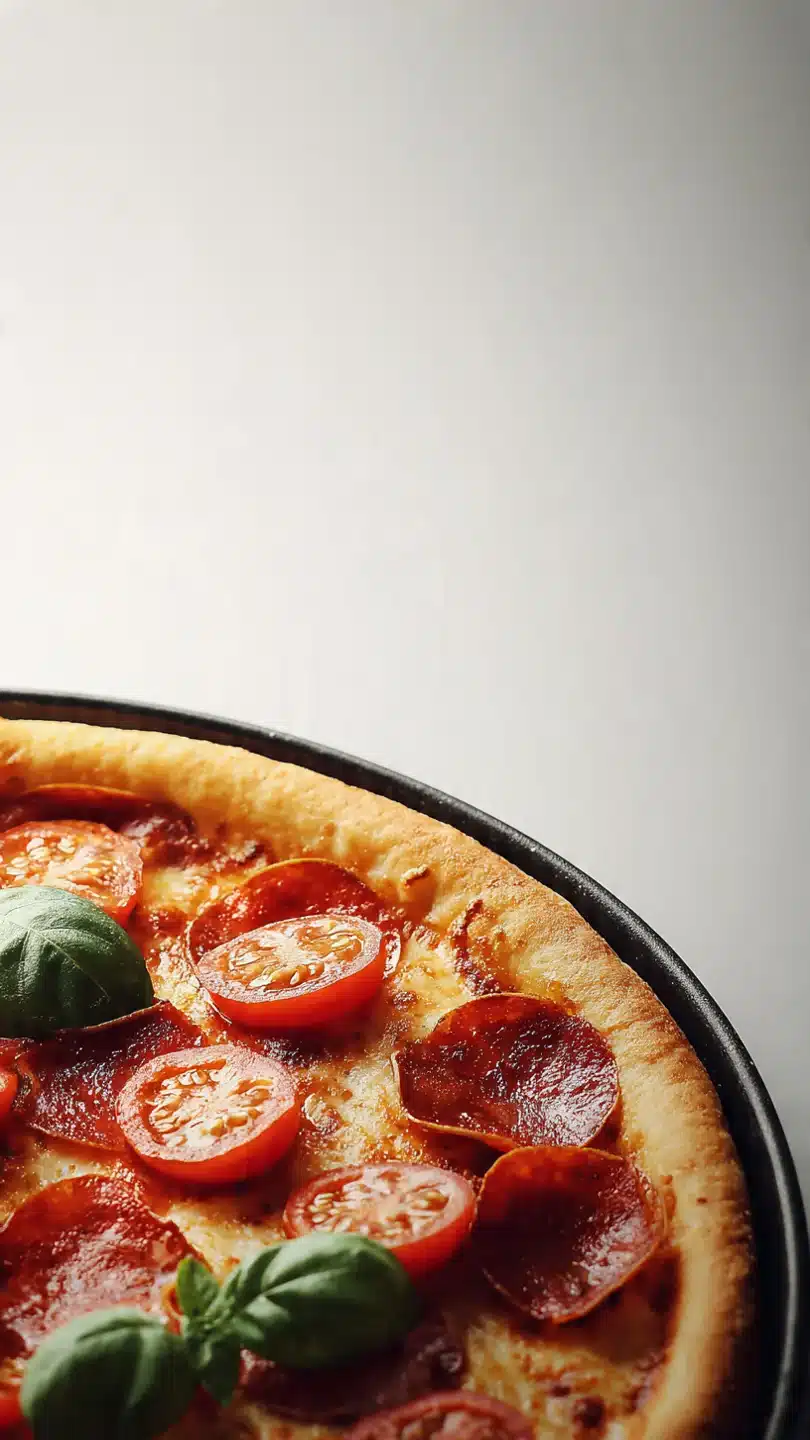
Classic Chicago-Style Deep Dish Pizza
Ingredients
Equipment
Method
- Make the dough. In the bowl of a stand mixer fitted with a dough hook, combine the flour, cornmeal, salt, sugar, and yeast. Mix on low to combine. With the mixer running, slowly pour in the warm water and the 1/2 cup of melted butter. Mix on medium-low speed for 5-7 minutes until the dough is smooth, elastic, and pulls away from the sides of the bowl. It will be a soft, slightly sticky dough. Tip from me: The cornmeal adds essential texture and flavor—don’t skip it.
- First rise. Form the dough into a ball and place it in a large, lightly oiled bowl. Turn to coat. Cover tightly with plastic wrap and let rise in a warm, draft-free place for 1 to 1.5 hours, or until nearly doubled in size. Trust me, this slow rise develops the complex flavor in the crust.
- Prepare the fillings and sauce. While the dough rises, cook the sausage in a skillet over medium heat, breaking it into small crumbles, until browned and cooked through. Drain and set aside. For the sauce, crush the canned tomatoes by hand into a bowl. In a saucepan, heat the olive oil over medium. Add the garlic and cook for 30 seconds until fragrant. Add the crushed tomatoes, oregano, red pepper flakes (if using), and a pinch of salt. Simmer for 15-20 minutes until slightly thickened. Let cool.
- Assemble the pizza. Generously grease a 10-inch cast iron skillet or deep cake pan with the remaining 2 tablespoons of butter. Punch down the risen dough. On a lightly floured surface, roll it out into a 14-inch circle. Carefully lift and press the dough into the prepared pan, pushing it up the sides to form a tall, even edge. Layer the shredded mozzarella and provolone cheeses directly onto the dough. Top evenly with the cooked sausage. Now, carefully spoon the cooled tomato sauce over the top, spreading it to the edges. Sprinkle with the grated Parmesan.
- Bake and serve. Preheat your oven to 425°F (220°C). Bake the pizza on the lower oven rack for 30-35 minutes, until the crust is a deep golden brown and the sauce is bubbling. Let the pizza cool in the pan for a full 10 minutes—this is crucial for the layers to set so you can slice it neatly. Use a thin spatula to loosen the edges, then slice and serve directly from the pan.


