
Pizza crust recipe
- Easy to Make: With simple ingredients and straightforward steps, this recipe is perfect for beginners and seasoned cooks alike.
- Customizable: From classic Margherita to creative veggie combos, this crust is your canvas for endless pizza possibilities.
- Crisp and Chewy: Achieve the perfect balance of a crisp exterior and a chewy interior with our professional tips.
- Flavorful: The slow rise enhances the taste, making your homemade pizza rival your favorite pizzeria.
- Family-Friendly: A fun and delicious activity for all ages, perfect for family pizza night.
Ingredients You’ll Need
Let’s gather our ingredients—these simple pantry staples create magic together to form the perfect pizza crust.
For the Dough:- Active dry yeast: The leavening agent that helps the dough rise. Make sure it’s fresh for the best results.
- Warm water: Around 110°F, this activates the yeast without killing it.
- All-purpose flour: The base of our dough. I recommend unbleached for the best flavor.
- Olive oil: Adds richness and helps with dough texture.
- Sugar: A small amount to feed the yeast and enhance browning.
- Salt: Essential for flavor and controlling yeast activity.

Note: You’ll find the complete list of ingredients, along with their exact measurements, in the printable recipe card at the bottom of this post.
Kitchen Equipment Needed
To make this pizza crust, you’ll need:
- A large mixing bowl for dough preparation
- A pizza stone or baking sheet for baking
- A rolling pin or your hands for shaping the dough
- An oven thermometer to ensure accurate temperature
How to Make Perfect Homemade Pizza Crust Recipe
Step 1: Activate the Yeast
In a large mixing bowl, combine the warm water and sugar. Sprinkle the yeast over the surface and let it sit for about 5 minutes until it becomes foamy. This step ensures the yeast is active and ready to work its magic.
Step 2: Mix and Knead the Dough
Add the flour, olive oil, and salt to the yeast mixture. Stir until a shaggy dough forms. Turn the dough out onto a lightly floured surface and knead for about 10 minutes until smooth and elastic.
Trust me, a good knead is crucial for gluten development.
Step 3: Let the Dough Rise
Place the dough in a lightly oiled bowl, cover with a clean kitchen towel, and let it rise in a warm place for 1-2 hours or until doubled in size. This slow rise enhances flavor and texture.
Step 4: Shape the Dough
Preheat your oven to 475°F with a pizza stone or baking sheet inside. Punch down the risen dough and divide it into 2 equal portions. On a floured surface, roll or stretch each portion into a 12-inch round.
Now comes the fun part – shaping your pizza!
Step 5: Bake and Serve
Transfer the dough to the preheated stone or sheet, add your favorite toppings, and bake for 12-15 minutes until the crust is golden brown and the cheese is bubbly. Step back and admire your homemade masterpiece before slicing and serving.
Pro tip: For a crispier crust, pre-bake the dough for 5 minutes before adding toppings. This helps set the crust and prevents sogginess. Temperature matters: Use an oven thermometer to ensure your oven reaches and maintains the correct temperature. A hot oven is key to a crisp crust. Kneading technique: Knead the dough until it’s smooth and elastic. This develops the gluten, giving the crust its characteristic chewiness. Avoid over-topping: Too many toppings can weigh down the crust and make it soggy. Less is more when it comes to pizza.Recipe Variations & Customizations
- Whole Wheat Crust: Substitute up to half of the all-purpose flour with whole wheat flour for a heartier crust.
What to Serve With This Recipe
This pizza crust pairs perfectly with:
- A simple green salad dressed with olive oil and balsamic vinegar
- Garlic bread or breadsticks for a carb-lover’s delight
- A glass of red wine or a cold beer to complement the flavors
- For dessert, try a light gelato or sorbet to cleanse the palate
Serve this pizza at family gatherings, game nights, or casual dinners with friends. It’s versatile enough for any occasion.
Storage & Make-Ahead Instructions
- To store leftover pizza, let it cool completely, then place in an airtight container in the refrigerator for up to 3 days. Reheat in a 350°F oven for best results.
For a make-ahead option, prepare the dough up to 24 hours in advance. After kneading, place the dough in an oiled bowl, cover tightly with plastic wrap, and refrigerate. Let it come to room temperature before shaping and baking.
Avoid storing the dough in the freezer, as it can affect the texture and rise.
Nutritional Benefits
- This pizza crust provides a good source of carbohydrates for energy. Using whole grain flour can increase the fiber content, promoting digestive health. Olive oil adds heart-healthy monounsaturated fats to the mix.
For a lower-calorie option, consider using less oil and lighter toppings. The crust can be adapted to fit various dietary needs, making it a versatile choice.
Frequently Asked Questions
Q: Can I make this ahead of time?
A: Yes, you can prepare the dough up to 24 hours in advance. Refrigerate it after kneading, then let it come to room temperature before shaping and baking.
Q: What can I use instead of all-purpose flour?
A: You can use bread flour for a chewier crust or a gluten-free blend for a gluten-free option. Whole wheat flour can be used in part for added nutrition.
Q: How do I know when the pizza is done?
A: The crust should be golden brown, and the cheese should be bubbly and slightly browned. The edges may also start to char slightly.
Q: Can I freeze this pizza crust?
A: It’s best not to freeze the dough, as it can affect the rise and texture. However, you can freeze baked pizza for up to 2 months.
Q: How can I adjust the flavor of the crust?
A: Add herbs, garlic powder, or even a pinch of red pepper flakes to the dough for different flavor profiles.
Q: What’s the best way to reheat leftover pizza?
A: Reheat in a 350°F oven for about 10 minutes to restore the crust’s crispness. Avoid using a microwave, as it can make the crust soggy.
Q: Can I use this dough for other recipes?
A: Absolutely! This dough can be used for calzones, stromboli, or even as a base for focaccia bread.
Recipe Origin or History
Pizza originated in Naples, Italy, and has evolved from a simple street food to a global culinary staple. This recipe draws on traditional Italian techniques while incorporating modern conveniences for home cooks. The slow rise method used here mimics the flavor development of Neapolitan pizza.
Final Thoughts
This perfect homemade pizza crust recipe is your ticket to pizzeria-quality pizza at home. The easy-to-follow steps, professional tips, and customizable nature make it a go-to for any occasion. Whether you’re a beginner or a seasoned cook, you’ll love the crisp yet chewy texture and the endless topping possibilities.
Give this recipe a try and let us know how it turns out! Share your creations on social media and don’t forget to rate the recipe. For more delicious recipes and culinary insights, explore our blog and start cooking like a pro today.
Enjoy your homemade pizza adventure!
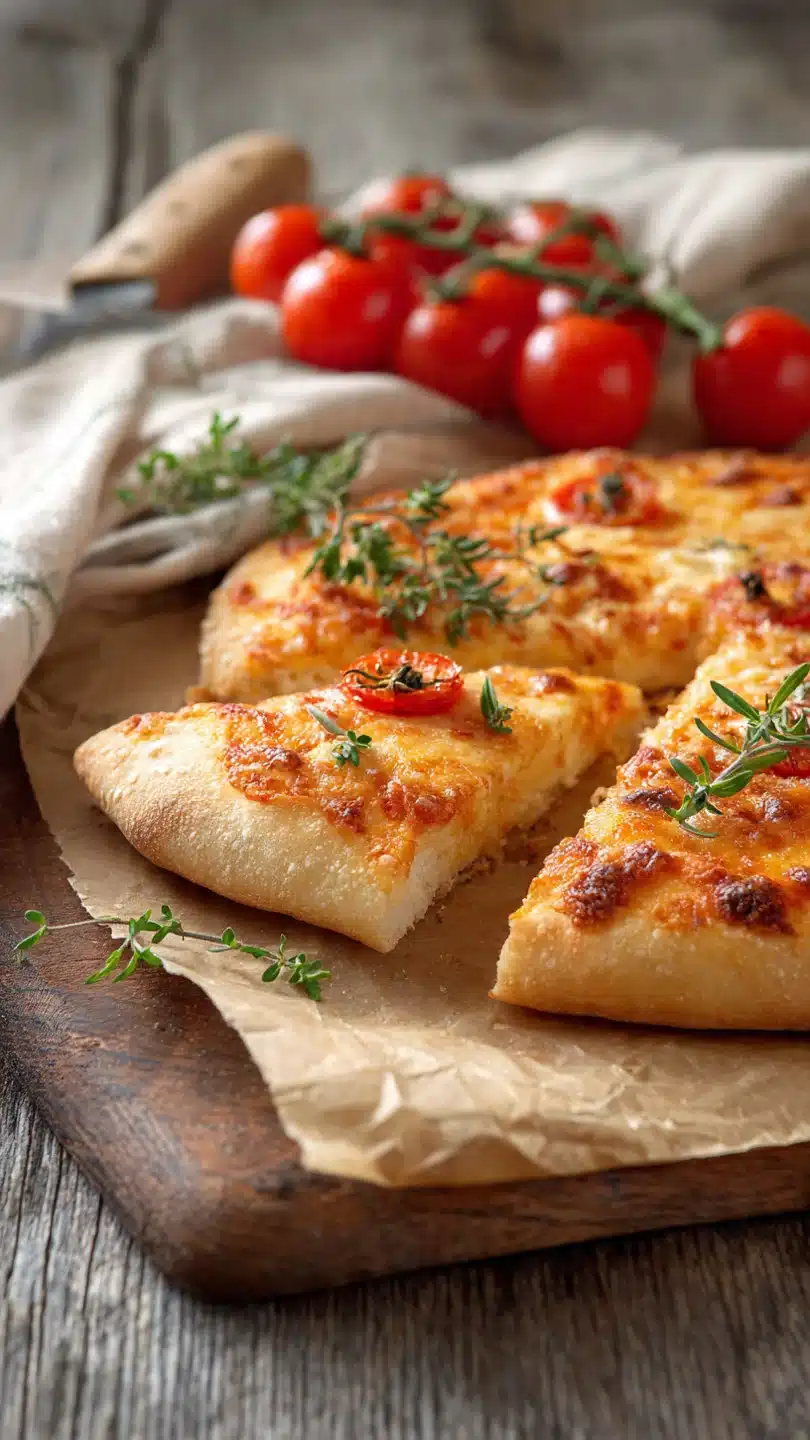
Perfect Homemade Pizza Crust
Ingredients
Equipment
Method
- In a large mixing bowl, combine the warm water and sugar. Sprinkle the yeast over the surface and let it sit for about 5 minutes until it becomes foamy. This step ensures the yeast is active and ready to work its magic.
- Add the flour, olive oil, and salt to the yeast mixture. Stir until a shaggy dough forms. Turn the dough out onto a lightly floured surface and knead for about 10 minutes until smooth and elastic. Trust me, a good knead is crucial for gluten development.
- Place the dough in a lightly oiled bowl, cover with a clean kitchen towel, and let it rise in a warm place for 1-2 hours or until doubled in size. This slow rise enhances flavor and texture.
- Preheat your oven to 475°F with a pizza stone or baking sheet inside. Punch down the risen dough and divide it into 2 equal portions. On a floured surface, roll or stretch each portion into a 12-inch round. Now comes the fun part – shaping your pizza!
- Transfer the dough to the preheated stone or sheet, add your favorite toppings, and bake for 12-15 minutes until the crust is golden brown and the cheese is bubbly. Step back and admire your homemade masterpiece before slicing and serving.


