
Burrata pizza
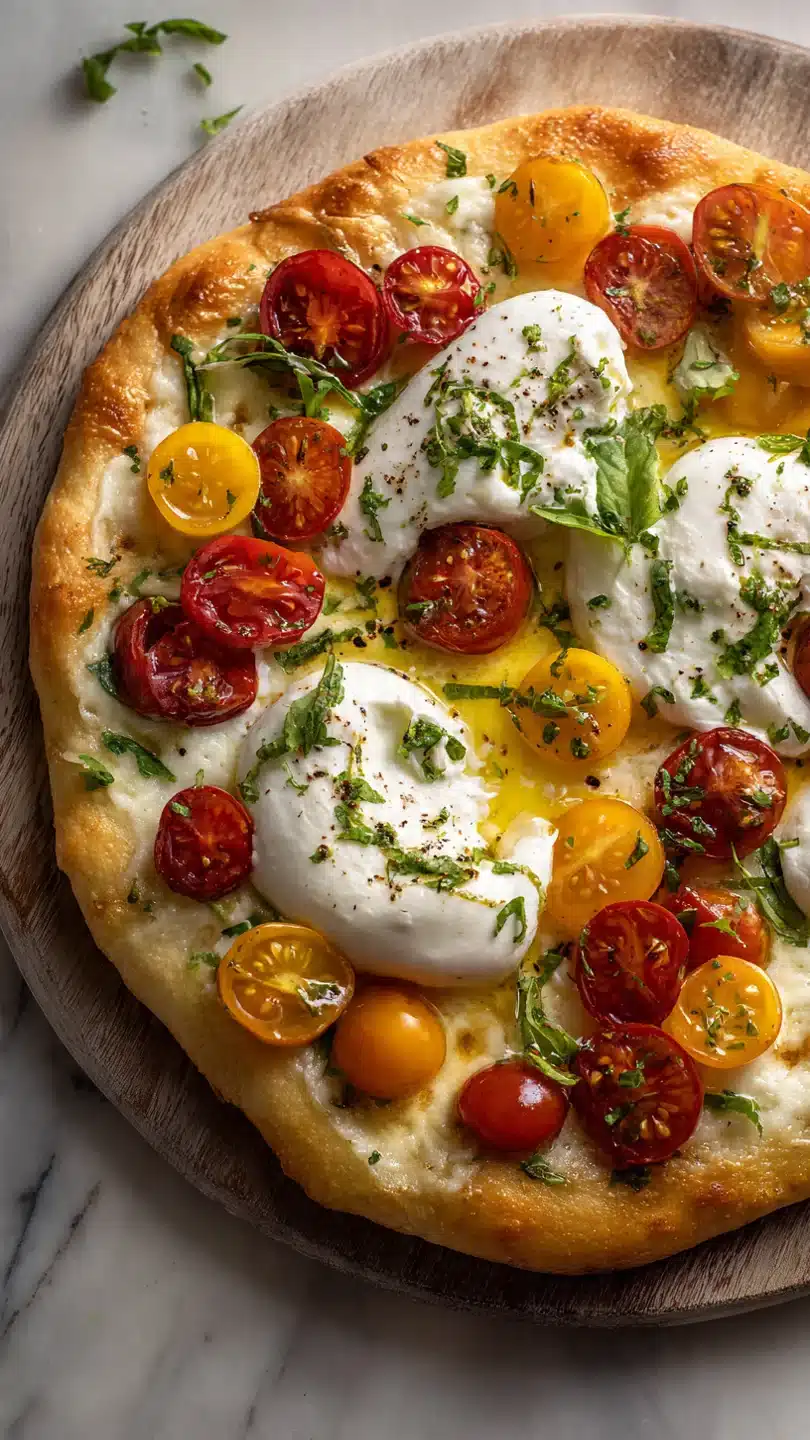
There’s a moment of pure culinary theater when you tear into a ball of burrata over a hot, freshly baked pizza. The outer shell gives way, and the luscious, creamy stracciatella floods the surface, mingling with the bright tomato sauce and fragrant basil. This isn’t just another pizza; it’s an experience that feels decadently restaurant-quality, yet is deceptively simple to master at home.
As a chef who has made thousands of pizzas, I can tell you the secret lies not in complexity, but in respecting a few key techniques and using high-quality, simple ingredients. Let’s make a pizza that will have everyone asking for your secret.
This burrata pizza recipe is designed for maximum flavor with minimal fuss, leveraging professional techniques for home success.
- Restaurant-Quality at Home: Achieves a blistered, crispy crust and luxurious topping combination that rivals any pizzeria.
- Simple, Fresh Ingredients: Relies on the magic of a few high-quality components like San Marzano tomatoes and fresh cheeses.
- Quick & Impressive: Ready in about 30 minutes, making it perfect for a weeknight treat or an impressive dinner party centerpiece.
- Textural Perfection: Combines the chew of great crust, the melt of mozzarella, and the unforgettable creaminess of fresh burrata.
- Endlessly Customizable: Serves as a perfect canvas for your favorite toppings, from prosciutto to seasonal vegetables.
- The Fun Factor: There’s something deeply satisfying about stretching dough and finishing with that dramatic burrata tear.
Ingredients You’ll Need
- Great pizza starts with great ingredients. You don’t need many, but the quality of each one shines through. Let’s gather what you need for this simple masterpiece.
- Pizza Dough: One pound of your favorite store-bought or homemade dough. Bring it to room temperature for at least an hour; cold dough is impossible to stretch properly.
- San Marzano Tomatoes: A 14.5-ounce can, preferably D.O.P. certified. These tomatoes from Italy are less acidic and sweeter, making for a superior, balanced sauce with just a crush of your hands.
- Fresh Mozzarella: Eight ounces, torn into pieces. This provides the base layer of melted cheese. The low moisture content helps it brown beautifully without making the pizza soggy.
- Burrata Cheese: Eight ounces (one large or two small balls). This is the star. Its cool, creamy center is added after baking, creating an incredible temperature and texture contrast.
- Fresh Basil: A generous handful of leaves. Tear them just before serving to prevent bruising and to release their aromatic oils.
- Extra Virgin Olive Oil: Use your best bottle for drizzling at the end. Its fruity, peppery notes will elevate the entire dish.
- Garlic, Oregano, Red Pepper Flakes: These aromatics build a flavorful foundation for the sauce with minimal effort.
- Flaky Sea Salt: A final sprinkle of something like Maldon salt adds a delightful crunch and enhances all the flavors.

Note: You’ll find the complete list of ingredients, along with their exact measurements, in the printable recipe card at the bottom of this post.
Kitchen Equipment Needed
You don’t need a wood-fired oven, but a few key tools will get you professional results.
- Pizza Stone or Steel: This is non-negotiable for a crisp, properly cooked crust. It stores thermal energy and transfers intense heat to the dough quickly. A baking steel is my professional preference for its superior conductivity.
- Pizza Peel or Rimless Baking Sheet: Essential for safely transferring your pizza into the scorching hot oven. A piece of parchment paper on the peel makes this foolproof.
- Mixing Bowl: For quickly hand-crushing the tomatoes and mixing the sauce.
- Parchment Paper: A chef’s secret for easy launching and cleanup. The pizza bakes directly on it.
How to Make Burrata Pizza Recipe
Step 1: Heat the Stone & Make the Sauce
First, place your pizza stone or steel on a rack in the lower third of your oven and preheat to 500°F (260°C) for a full 45 minutes. This is critical—the stone needs time to become a thermal battery. While it heats, make your sauce.
Trust me, hand-crushing the San Marzano tomatoes in a bowl creates the perfect rustic texture. Stir in the minced garlic, oregano, a pinch of red pepper flakes, and a tablespoon of olive oil. Season lightly with salt.
The raw garlic will mellow perfectly in the oven’s heat.
Step 2: Shape the Pizza Dough
On a lightly floured surface, gently press and stretch your room-temperature dough into a 12-inch circle. Use your knuckles, not a rolling pin! A pin pushes out all the precious gas bubbles.
Tip from me: lift the dough and let gravity help you stretch it from the center outwards, rotating as you go. Once shaped, transfer it to a sheet of parchment paper—this is your launching pad.
Step 3: Top with Sauce and Mozzarella
Spread a thin, even layer of your tomato sauce over the dough, leaving about a half-inch border for the crust. Believe me, less is more here; a heavy hand with sauce leads to a soggy center. Now, evenly scatter the torn pieces of fresh mozzarella over the sauce.
This cheese melts and browns, creating the foundational cheesy layer that will cradle the burrata later.
Step 4: Bake to Golden Perfection
This is where the magic happens. Carefully slide the pizza, still on its parchment paper, onto the preheated stone or steel. Bake for 10 to 12 minutes.
You’re looking for a puffed, deeply golden brown crust and bubbly cheese with a few beautiful brown spots. The intense heat from the stone is what gives you that authentic, blistered texture you crave.
Step 5: Add Burrata and Finish
Now for the fun part! As soon as the pizza comes out of the oven, tear open the burrata ball(s) and distribute the creamy stracciatella and soft outer curd across the hot surface. The residual heat will gently warm it without cooking it.
Immediately scatter over the fresh basil leaves, drizzle lavishly with your best extra virgin olive oil, and finish with a generous pinch of flaky sea salt. Step back and admire your creation, then slice and serve right away.
My years in professional kitchens have taught me that small details make a big difference in pizza making.
- The Long Preheat: Your pizza stone needs a full 45-60 minutes at maximum oven temperature to properly heat through. A properly charged stone is the single biggest factor in a crisp, non-soggy crust.
- Two-Cheese Strategy: Using mozzarella as the baking cheese and adding burrata post-bake is intentional. Burrata’s delicate creaminess would simply melt away and leak if baked, losing its signature texture.
- Sauce Consistency: Your sauce should be thick and spreadable, not watery. If your canned tomatoes are very liquid, drain off some of the excess water before crushing them. A wet sauce steams the crust instead of baking it.
- The Flour Matters: When stretching dough, use just enough flour or semolina to prevent sticking. Too much dried flour on the bottom of the crust can burn in the ultra-hot oven, creating a bitter taste.
Recipe Variations
- This recipe is a fantastic foundation. Once you’ve mastered the classic, try these delicious twists.
- Prosciutto & Arugula: After adding the burrata, drape over thin slices of prosciutto and a big handful of peppery arugula for a classic Italian trattoria combination.
- Roasted Vegetable: Top the sauce with roasted mushrooms, bell peppers, or caramelized onions before adding the mozzarella. The savory depth pairs wonderfully with the creamy cheese.
- Spicy Honey: Drizzle a little chili-infused honey over the finished pizza. The sweet heat is a modern, addictive contrast to the rich cheese and tangy tomato.
- Pesto Base: Swap the tomato sauce for a layer of fresh basil pesto. Top with mozzarella, bake, and finish with burrata and cherry tomatoes.
- Truffle Version: For ultimate luxury, finish the baked pizza with a few drops of white truffle oil or shavings of black truffle along with the burrata.
What to Serve With This Recipe
While this pizza is a satisfying meal on its own, a few thoughtful pairings can turn it into a feast.
For a complete Italian-inspired meal, start with a simple arugula salad dressed with lemon juice, olive oil, and shaved Parmesan. The bitterness of the greens cuts through the pizza’s richness perfectly. A side of marinated olives and roasted peppers also makes a great antipasto spread.
Beverage-wise, a light-bodied red wine like a Chianti or Barbera complements the tomatoes and cheese without overwhelming them. For a non-alcoholic option, sparkling water with a twist of lemon or a chilled San Pellegrino Limonata is wonderfully refreshing. This pizza is ideal for casual Friday dinners, summer gatherings on the patio, or anytime you want a meal that feels special without requiring hours in the kitchen.
Storage & Make-Ahead Instructions
- Pizza is always best fresh, but with a few tricks, you can manage leftovers or prep components ahead.
- Storing Leftovers: Cool completely, then store slices in an airtight container in the refrigerator for up to 2 days. The burrata will firm up when chilled.
- Reheating: Reheat slices in a 375°F (190°C) oven or toaster oven for 5-7 minutes until hot and the crust re-crisps. Avoid the microwave, as it will make the crust rubbery and the burrata oily.
- Make-Ahead Dough: Pizza dough can be made 1-2 days ahead and stored, tightly covered, in the refrigerator. Let it come to room temperature before stretching.
- Make-Ahead Sauce: The simple tomato sauce can be prepared and refrigerated for up to 3 days, allowing the flavors to meld even more.
Frequently Asked Questions
Q: Can I use a regular baking sheet instead of a pizza stone?
A: You can, but the results will differ. A baking sheet won’t get as hot, so you’ll get a softer, bread-like crust instead of a crisp, blistered one. If using a sheet, preheat it in the oven and bake the pizza on the bottom rack to maximize bottom heat.
Q: Where can I find burrata cheese?
A: Most well-stocked grocery stores now carry burrata in the specialty cheese section, often near the fresh mozzarella. Italian markets or high-end stores like Whole Foods are also reliable sources. Look for it in a tub of water to ensure freshness.
Q: My dough keeps snapping back when I try to stretch it. What am I doing wrong?
A: This means the gluten is too tight. The dough is either too cold or needs to relax. Let it sit at room temperature, covered, for another 15-20 minutes.
Gluten relaxes over time, making the dough much more cooperative.
Q: Can I freeze this pizza?
A: I don’t recommend freezing the assembled pizza with fresh burrata. However, you can freeze the baked pizza base (with sauce and mozzarella) before adding the burrata. Reheat from frozen in a hot oven, then top with fresh burrata and basil.
Q: What’s the difference between burrata and fresh mozzarella?
A: Fresh mozzarella is a solid, soft cheese. Burrata is a pouch made of mozzarella that is filled with soft, stringy curds and cream (stracciatella). This filling is what gives burrata its incredibly creamy, luxurious texture.
Q: Can I make this gluten-free?
A: Absolutely. Use your favorite store-bought or homemade gluten-free pizza dough. The baking time may vary slightly, so watch for the same visual cues: golden crust and bubbly cheese.
Q: Why shouldn’t I bake the burrata?
A: Baking burrata causes its delicate creamy center to melt completely and often leak out, leaving you with a pool of fat and a rubbery shell. Adding it after baking preserves its unique, spoonable texture and rich flavor.
Final Thoughts
This burrata pizza recipe encapsulates what I love about cooking: transforming a handful of simple, excellent ingredients into something truly spectacular with just a bit of know-how. The contrast of the hot, crisp crust with the cool, bursting creaminess of the burrata is a culinary joy you deserve to experience at home. Remember, the keys are a screaming-hot pizza stone, a light hand with the sauce, and the confidence to add that glorious cheese at the very end.
I’ve tested this method countless times, and it never fails to impress. Give it a try this week, and don’t forget to let me know how it turns out! Share your creations online and tag me—I love seeing your kitchen successes.
Once you master this classic, have fun exploring the variations to make it your own. Happy cooking
Creamy Burrata Pizza
Ingredients
Equipment
Method
- Preheat your oven and pizza stone or steel to 500°F (260°C) for at least 45 minutes. Meanwhile, make the sauce by crushing the San Marzano tomatoes by hand in a bowl. Stir in the minced garlic, oregano, red pepper flakes (if using), and 1 tbsp olive oil. Season lightly with salt. The sauce should be rustic and chunky.
- On a lightly floured surface, stretch your room-temperature dough into a 12-inch round. Don’t use a rolling pin—use your knuckles to gently stretch from the center outwards. This preserves the air bubbles in the crust for a better texture. Transfer the shaped dough to a piece of parchment paper.
- Spread a thin, even layer of the tomato sauce over the dough, leaving a 1/2-inch border for the crust. Scatter the torn fresh mozzarella pieces evenly over the sauce. The mozzarella provides the base melt, while the burrata will be added later for its signature creaminess.
- Carefully slide the pizza (on the parchment) onto the preheated stone or steel. Bake for 10-12 minutes, or until the crust is puffed and golden, and the cheese is bubbly and slightly spotted. The high heat is crucial for a crisp, blistered crust.
- Remove the pizza from the oven. Immediately tear the burrata ball(s) and distribute the creamy center and outer shell over the hot pizza. Scatter fresh basil leaves, drizzle generously with your best extra virgin olive oil, and finish with a sprinkle of flaky sea salt. Slice and serve immediately.


