
Homemade pizza sauce
There’s a quiet moment of truth when you lift a slice of homemade pizza: will the sauce be a bland, watery afterthought or the vibrant, flavorful heart of the dish? For years in professional kitchens, I saw the transformative power of a great sauce. It’s not just a layer; it’s the melody that ties the crisp crust and melty cheese into a perfect chord.
This recipe is my answer to the jarred stuff—a bright, balanced, no-cook sauce you can whip up in five minutes that will genuinely elevate your pizza game. It celebrates the pure, sweet-tart flavor of good tomatoes, and once you taste the difference, you’ll never go back.
- 5-Minute Simplicity: No cooking, no simmering for hours. Just measure, mix, and it’s ready. It’s faster than ordering delivery.
- Vibrant, Fresh Flavor: By skipping the cook, you preserve the tomatoes’ bright, garden-fresh acidity and sweetness, which gets muted in long-simmered or canned sauces.
- Total Texture Control: Crushing the tomatoes by hand gives you the perfect rustic, slightly chunky texture that clings to dough. No more watery or gluey sauce.
- Better Than Store-Bought: You control the quality of ingredients, the salt level, and the flavor profile. It’s fresher, cleaner, and lacks the preservatives and added sugar found in many jars.
- Incredibly Versatile: Beyond pizza, this sauce is a star on pasta, in calzones, as a bruschetta topping, or even as a quick dip.
- Pantry-Powered: It’s built from shelf-stable staples you likely already have, making spontaneous pizza night a genuine possibility.
Ingredients You’ll Need
Let’s gather our ingredients—this is where the magic starts. The beauty of this sauce is its simplicity, which means each component truly matters. We’re not hiding behind a long list of spices; we’re highlighting a few excellent ones.
- San Marzano Tomatoes: This is non-negotiable for the best result. Look for “D.O.P. San Marzano” on the label. They are less acidic, sweeter, and have fewer seeds than standard plum tomatoes. The difference in flavor and texture is profound. You’ll use a 28-ounce can, drained.
- Extra Virgin Olive Oil: Use a good-quality oil you enjoy tasting. It adds richness, helps carry the flavors, and gives the sauce a lovely sheen. We’ll use 2 tablespoons.
- Garlic: Fresh is essential here. Two cloves, finely minced or grated, provide a pungent backbone that mellows perfectly as it rests with the tomatoes.
- Dried Oregano: The classic pizza herb. Dried oregano has a more concentrated, earthy flavor than fresh for this application. A teaspoon is perfect.
- Fine Sea Salt: Start with 1/2 teaspoon. Salt is what wakes up all the other flavors and balances the tomato’s acidity.
- Freshly Ground Black Pepper: Just 1/4 teaspoon adds a subtle, complex warmth.
- Red Pepper Flakes: An optional 1/4 teaspoon for a gentle, background heat that builds with each bite.
- Fresh Basil: The finishing touch. Tearing 5-6 leaves and stirring them in at the end adds a fragrant, sweet aroma that cooked basil can’t replicate.

Note: You’ll find the complete list of ingredients, along with their exact measurements, in the printable recipe card at the bottom of this post.
Kitchen Equipment Needed
You barely need any equipment, which is part of this recipe’s charm. A medium mixing bowl and a spatula or wooden spoon are the core tools. A fine grater or garlic press makes mincing the garlic effortless.
If you prefer a completely smooth sauce (though I recommend texture!), a food processor or blender will work in seconds. That’s truly it—no pots, no pans, no fancy gadgets required.
How to Make Homemade Pizza Sauce Recipe
Step 1: Prepare the Tomato Base
Start by draining your can of San Marzano tomatoes over a bowl—reserve that liquid! Now, pour the tomatoes into your mixing bowl. Here’s the fun part: get your hands in there and gently crush the tomatoes between your fingers.
Trust me, this tactile method gives you the ideal, uneven texture with some nice small chunks. If you’re averse to getting your hands messy, a few quick pulses in a food processor works, but stop before it becomes a smooth puree. You want body.
Step 2: Build the Flavor Foundation
Add your finely minced or grated garlic directly to the crushed tomatoes. The raw garlic might seem strong now, but it will mellow beautifully as it sits. Sprinkle in the dried oregano, salt, black pepper, and red pepper flakes if using.
Drizzle the two tablespoons of extra virgin olive oil over everything. Now, take your spatula and stir with purpose until the oil is emulsified into the tomatoes and all the ingredients are evenly distributed.
Step 3: Taste and Adjust
This is the most important chef’s step. Dip a clean spoon in and taste your sauce. Believe me, tasting raw is different.
Is it bright but balanced? Does it need more salt to wake up the tomato flavor? If it tastes a bit sharp or acidic, a tiny pinch of sugar (about 1/8 teaspoon) can work wonders to round it out.
This is your sauce—adjust it to your palate.
Step 4: Rest and Finalize
Tear your fresh basil leaves and gently fold them into the sauce. Now, let it sit. Cover the bowl and allow the sauce to rest at room temperature for 15-20 minutes.
This resting period is non-negotiable; it lets the garlic soften, the herbs infuse, and the flavors become one cohesive, delicious whole. If the sauce thickens more than you like, stir in a tablespoon or two of the reserved tomato liquid.
Step 5: Apply and Bake
Your sauce is ready! To use, spoon a modest amount (about 1/4 cup for a standard 12-inch pizza) onto your stretched dough. Using the back of the spoon, spread it in a thin, even layer, leaving that coveted border for your crust.
Tip from me: less is more. A thick layer of sauce leads to a soggy crust. Now, top with cheese and bake as usual.
Step back and admire the vibrant red base you created from scratch.
- Tomato Quality is Everything: The D.O.P. certification on San Marzano tomatoes guarantees they were grown in the volcanic soil of the Sarno Valley in Italy. This terroir imparts a unique sweetness and low acidity. It’s the one ingredient worth splurging on.
- The No-Cook Advantage: Simmering sauce cooks out the volatile, fresh-tasting compounds in tomatoes and herbs. This raw method captures that brightness, which then mellows and concentrates perfectly in the short, hot bake of a pizza oven.
- Salt Strategically: Always salt to taste at the end. Different tomato brands have varying sodium levels. Your sauce should taste slightly more seasoned than you think it should, as it will be diluted across the entire pizza.
- Texture is Key: A sauce that’s been pureed smooth can become pasty and seal the dough, preventing proper oven spring. The small chunks and varied texture from hand-crushing create little pockets for steam to escape, leading to a better crust.
- Oil for Emulsion: The olive oil isn’t just for flavor; it helps create a loose emulsion that coats the tomatoes evenly, preventing a watery separation on your pizza dough.
Recipe Variations
- Cooked & Concentrated: For a deeper, richer flavor, simmer the crushed tomatoes with the garlic and oregano in a saucepan for 20-25 minutes until thickened. Cool completely before using.
- Spicy Arrabbiata Style: Increase red pepper flakes to 1/2 or 3/4 teaspoon and add a pinch of smoked paprika for a sauce with a real kick.
- Herb-Forward Garden Sauce: Add 1 teaspoon of dried basil and 1/2 teaspoon of dried thyme along with the oregano. Finish with a tablespoon of chopped fresh parsley.
- Creamy Vodka Twist: Stir in 1/4 cup of heavy cream and 2 tablespoons of grated Parmesan cheese after the sauce has rested for a luxurious, pink vodka-style sauce (not traditional, but delicious).
- Roasted Garlic: Replace raw garlic with 3-4 cloves of sweet, mellow roasted garlic for a deeper, nuttier flavor profile.
- Sun-Dried Tomato Pesto: Add 1/4 cup of oil-packed sun-dried tomatoes (chopped) and an extra tablespoon of their oil for an intensely savory, umami-rich sauce.
What to Serve With This Sauce
Obviously, this sauce is destined for homemade pizza dough. Try it on my favorite 72-hour cold-ferment dough for a professional result. Beyond pizza, it’s a fantastic quick pasta sauce—just heat it gently and toss with cooked pasta.
Use it as a base for chicken or eggplant Parmesan, a dipping sauce for mozzarella sticks or garlic knots, or a flavorful layer in lasagna or baked ziti. For a simple appetizer, spoon it over toasted baguette slices with fresh mozzarella for instant bruschetta.
Storage & Make-Ahead Instructions
- Refrigeration: Transfer unused sauce to an airtight container. It will keep well in the refrigerator for 4-5 days. The flavors will continue to meld and improve over the first 24 hours.
- Freezing: This sauce freezes exceptionally well. Portion it into ice cube trays, freeze solid, then pop the cubes into a freezer bag. Individual sauce cubes can be thawed for single-serving pizzas or pastas. It will keep for up to 3 months.
- Make-Ahead Strategy: This sauce is an ideal make-ahead component. Prepare it up to 3 days in advance for the best flavor development. Stir well before using, as some separation is natural.
- Avoid Metal: For storage, use glass or plastic containers. Prolonged contact with reactive metals like aluminum can impart a metallic taste to the acidic tomatoes.
Frequently Asked Questions
Q: Can I use fresh tomatoes instead of canned?
A: For this no-cook method, I don’t recommend it. Fresh tomatoes have a much higher water content and less concentrated flavor. You would need to peel, seed, and drain them extensively, and the result still wouldn’t have the depth of flavor that canned San Marzanos provide.
Q: My sauce tastes too acidic. What did I do wrong?
A: It’s likely the tomato brand. Fix it by stirring in a tiny pinch of sugar (1/8 tsp at a time) or by adding a bit more extra virgin olive oil. Both will help balance and round out sharp acidity.
Q: How much sauce should I use per pizza?
A: For a 12-inch pizza, use about 1/4 to 1/3 cup. Spread it thinly with the back of a spoon. Using too much sauce is the most common home cook mistake and leads to a soggy, undercooked center.
Q: Can I make this sauce completely smooth?
A: Yes, simply blend all ingredients in a food processor or blender until smooth. However, I find a slightly chunky texture provides a more interesting mouthfeel and helps prevent a gummy layer on the dough.
Q: Is it safe to eat raw garlic in the sauce?
A: Yes, it is safe for most people. The amount is small and will mellow as it rests. If you have concerns or a sensitive stomach, you can use one clove instead of two, or gently sauté the minced garlic in the olive oil for 60 seconds before adding it to the tomatoes to take the raw edge off.
Q: Can I double or triple this recipe?
A: Absolutely! It scales perfectly. It’s a great idea to make a large batch and freeze portions for future pizza nights.
Q: Why is my sauce watery on the pizza?
A: This is usually caused by two things: not draining the canned tomatoes well enough, or using too much sauce. Ensure you drain the tomatoes thoroughly, and remember that a thin layer is sufficient.
Final Thoughts
This five-minute sauce is more than a recipe; it’s a small act of culinary empowerment. It proves that the best flavors often come from the simplest preparations and the highest-quality ingredients. Moving from a jar to this fresh, vibrant sauce is the single biggest upgrade you can make to your homemade pizza.
It’s a technique I’ve relied on in busy restaurants and quiet home kitchens alike, and it never fails to deliver. I encourage you to try it this week—taste the bright tomato, the fragrant basil, the rich olive oil on a spoon before it even touches dough. That’s the flavor of a pizza made with care.
Please let me know how your pizza night turns out, and if you share a creation online, tag me so I can see your masterpiece!
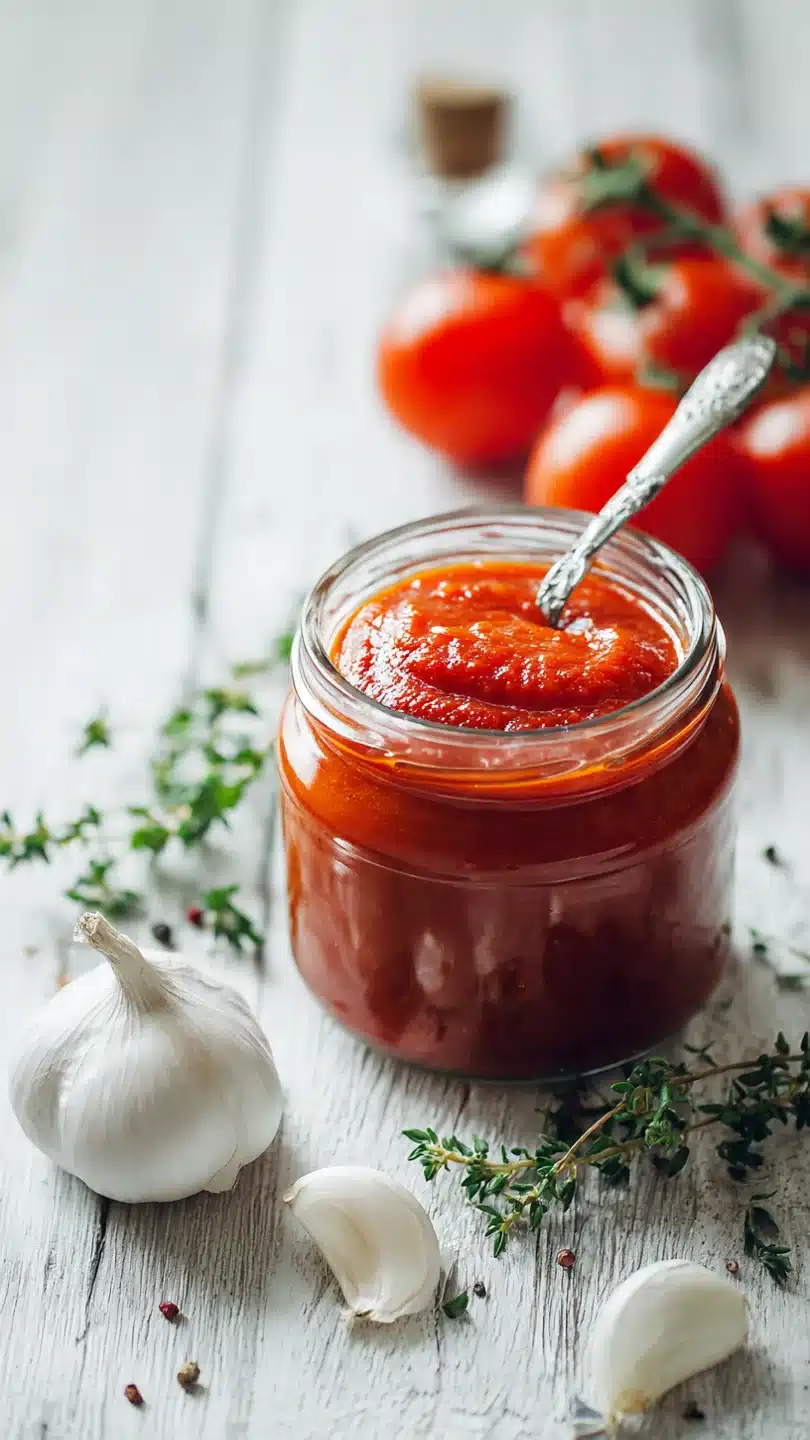
Authentic No-Cook Pizza Sauce
Ingredients
Equipment
Method
- Drain the can of San Marzano tomatoes over a bowl, reserving the liquid. Gently crush the tomatoes by hand into a medium mixing bowl or pulse them a few times in a food processor until you achieve a rustic, slightly chunky texture. You want texture, not a smooth puree.
- Add the minced garlic, dried oregano, salt, black pepper, and optional red pepper flakes to the crushed tomatoes. Drizzle in the 2 tablespoons of extra virgin olive oil. Using a spoon or spatula, stir everything together until well combined.
- Taste the sauce for seasoning. This is crucial. Remember, flavors will concentrate slightly on the pizza. Adjust with more salt, a pinch of sugar if the tomatoes are very acidic, or another drizzle of olive oil for richness. Fold in the torn fresh basil leaves.
- Let the sauce rest for at least 15-20 minutes before using. This allows the garlic to mellow and the flavors to marry. If the sauce seems too thick for your liking, stir in a tablespoon or two of the reserved tomato liquid until it reaches your desired consistency.
- To use, spread a thin, even layer (about 1/4 cup for a 12-inch pizza) over your prepared dough, leaving a 1/2-inch border for the crust. You can use it immediately, or store it covered in the refrigerator for later use.


