
chicken noodle soup spices
There’s a world of difference between a simple chicken broth with noodles and a truly memorable, soul-warming bowl of chicken noodle soup. That difference almost always comes down to the spices. As a chef, I’ve learned that the right combination of herbs and spices doesn’t just add flavor—it builds layers of aroma, depth, and complexity that transform the entire dish.
This isn’t about hiding the taste of chicken; it’s about elevating it, creating a harmonious background that makes the savory broth, tender meat, and soft vegetables sing. Let’s move beyond just salt and pepper and explore how a thoughtful spice cabinet can become your secret weapon for the ultimate comfort food.
This approach to seasoning your soup is designed for real results in a home kitchen.
- Restaurant-Quality Depth: Achieve the rich, layered flavor profile of a professionally made soup without any mysterious packets or excess sodium.
- Pantry-Powered Convenience: This guide focuses on common dried herbs and spices you likely already own, making an incredible soup possible anytime.
- Total Flavor Control: By understanding each component, you become the chef. Adjust for more warmth, earthiness, or brightness to match your personal taste perfectly.
- Health-Conscious Seasoning: Skip the preservatives and hidden MSG found in many store-bought soup bases and seasoning packets.
- Versatile Foundation: Master this core concept and you’ll have the knowledge to expertly season any soup, stew, or braise.
The Essential Spice Cabinet Ingredients
- Let’s talk about the building blocks. A great chicken noodle soup spice profile rests on a foundation of aromatic herbs, earthy notes, and savory enhancers. Think of them in categories: the aromatic base (onion, garlic), the herbal heart (thyme, parsley), the earthy depth (celery seed, turmeric), and the finishing brightness (pepper, lemon). Using dried herbs is key here because they withstand long simmering, releasing their flavors slowly into the broth. Fresh herbs have their place, but it’s at the very end as a garnish. For the deepest flavor, you want these dried workhorses doing the heavy lifting from the start.

Note: You’ll find the complete list of ingredients, along with their exact measurements, in the printable recipe card at the bottom of this post.
Kitchen Equipment Needed
You don’t need any special tools to become a soup seasoning expert. A standard set of measuring spoons is essential for consistency. A small bowl for mixing your custom blend is helpful.
Most importantly, you’ll need a good airtight container—a small glass jar is ideal—to store your blend away from heat and light, which degrade spice potency. For the soup itself, a heavy-bottomed stockpot or Dutch oven is non-negotiable for even, gentle simmering.
How to Make The Ultimate Chicken Noodle Soup Recipe
Step 1: Build Your Flavor Foundation
Start by sautéing your classic soup vegetables—diced onion, carrots, and celery—in a bit of oil or butter in your stockpot. Believe me, this step is non-negotiable. Sautéing, or “sweating,” these vegetables unlocks their natural sugars and creates a flavor base called a sofrito or mirepoix.
After 5-7 minutes, when they’re softened and fragrant, it’s time to add your dried spices. This is the magic moment. Adding the spices directly to the hot oil-coated vegetables for just 30 seconds “blooms” them, toasting their essential oils and magnifying their flavor before the liquid goes in.
Step 2: The Simmering Infusion
Now, add your chicken broth and pre-cooked chicken to the pot. Tip from me: use the best quality broth you can, as it’s the canvas for your spices. Bring everything to a gentle boil, then immediately reduce the heat to the lowest possible simmer.
This is where patience pays off. A bare simmer, with just a few tiny bubbles breaking the surface, allows the spices to infuse the broth slowly and completely without turning the chicken tough or making the broth cloudy. Trust me, a violent boil will make your soup taste harsh and muddy.
Step 3: Noodle Integration Strategy
About 10-15 minutes before you plan to serve, add your dried egg noodles directly to the simmering soup. The timing is crucial. You want them cooked through but still with a slight bite (al dente), as they will continue to soften in the hot broth.
A common professional trick is to slightly undercook the noodles in the soup pot, then ladle the soup into bowls. This prevents them from becoming mushy and absorbing all your beautiful, spice-infused broth.
Step 4: The Final Flavor Adjustments
Once the noodles are cooked, turn off the heat. This is your final quality control check. Taste the broth carefully.
Now, and only now, should you adjust the salt. The spices have done their job, but salt is a flavor enhancer that makes all those layers pop. Add it gradually, stirring and tasting after each addition.
This is also the time to stir in a splash of fresh lemon juice or a dash of vinegar—the acidity will brighten the entire spice profile in a way that’s truly transformative.
Step 5: Garnish and Serve with Confidence
Ladle the steaming soup into deep bowls. Now, add the fresh elements. A generous sprinkle of chopped fresh parsley or dill, a crack of black pepper, and maybe a tiny drizzle of good olive oil.
Step back and admire your work. You’ve just built a soup with complex, professional-grade flavor from the ground up. Serve it immediately with crusty bread for dipping into that glorious, spice-perfumed broth.
My years in restaurant kitchens taught me that technique is just as important as the ingredients list.
- Bloom Your Spices: As mentioned, always toast dried spices in oil for 30 seconds before adding liquid. This simple step can double their aromatic impact.
- The Bay Leaf Rule: Add one or two dried bay leaves at the start of simmering. Remove them before serving. They contribute a subtle, almost floral depth that is irreplaceable.
- Whole vs. Ground: For the deepest flavor, use whole peppercorns and coriander seeds. Toast them lightly in a dry pan, then crack them in a mortar and pestle or spice grinder just before using.
- Herb Stems for Depth: If using fresh herbs like thyme or parsley, don’t discard the stems. Tie them into a bundle with kitchen twine and simmer them in the broth. They contain immense flavor.
- Acid is Your Friend: A final squeeze of lemon juice or a teaspoon of apple cider vinegar added off-heat doesn’t make the soup taste sour—it lifts and defines all the other spice flavors.
Recipe Variations & Customizations
- The beauty of understanding spices is the power to customize. Here are several tested paths you can take from the core recipe.
- Lemon-Herb Brightness: Add 2 teaspoons of dried lemon peel (or zest from one lemon) and 1 extra tablespoon of dried parsley to the base blend. Perfect for a springtime feel.
- Cozy Ginger-Turmeric: Increase the turmeric to 1 teaspoon and add 1 teaspoon of ground ginger. This creates a warming, golden-hued soup with anti-inflammatory benefits.
- Herbes de Provence Twist: Replace the thyme and rosemary with 1 tablespoon of Herbes de Provence blend for a subtly floral, French-inspired flavor.
- Spicy Southwest Kick: Add 1 teaspoon of ground cumin, 1/2 teaspoon of smoked paprika, and a pinch of cayenne pepper. Finish with fresh cilantro instead of parsley.
- Ultimate Umami Boost: For a deeply savory, almost “roasted” flavor, add 1 teaspoon of dried mushroom powder (porcini or shiitake) to the spice blend.
What to Serve With This Soup
A perfectly spiced chicken noodle soup is a satisfying meal on its own, but it also plays well with others. For a classic diner-style lunch, pair it with a crisp, green side salad with a tangy vinaigrette to cut through the richness. A grilled cheese sandwich, especially with sharp cheddar or gruyère, is the ultimate comfort food duo.
For a lighter option, serve with simple buttered crackers or a slice of crusty, warm sourdough bread for dipping. I love serving this soup as a starter for a larger roasted chicken dinner—the flavors complement each other beautifully.
Storage & Make-Ahead Instructions
- Proper storage ensures your spiced soup tastes just as good later.
- Refrigerator Storage: Cool the soup completely before transferring to airtight containers. It will keep for 3-4 days. The noodles will continue to absorb broth, so you may need to add a splash of water or broth when reheating.
- Freezer-Friendly Strategy: For best results, freeze the soup without the noodles. The noodles become unpleasantly mushy upon thawing. Freeze the spice-infused broth with chicken and vegetables for up to 3 months. Cook fresh noodles when you reheat.
- Reheating for Best Quality: Reheat gently on the stovetop over medium-low heat, stirring occasionally. Avoid a rolling boil to preserve the delicate spice flavors and texture of the ingredients.
- Spice Blend Storage: Store your custom dry spice blend in an airtight jar in a cool, dark pantry. It will retain peak flavor for 4-6 months.
Frequently Asked Questions
Q: Can I use fresh herbs instead of dried in the spice blend?
No, for the simmering stage, dried herbs are superior. They have a more concentrated flavor and withstand long cooking without breaking down completely. Reserve fresh herbs for the final garnish.
Q: My soup tastes bland even after adding spices. What did I do wrong?
The most common culprit is insufficient salt. Spices provide aroma and complexity, but salt is what allows your taste buds to perceive them fully. Add salt gradually at the end of cooking until the flavors “pop.” Also, ensure you bloomed your spices in oil.
Q: Can I make a large batch of the spice blend to have on hand?
Absolutely! That’s the idea. Simply multiply the ingredient quantities proportionally.
Mix it very well and store it in a labeled, airtight jar. It makes weeknight soup preparation incredibly fast.
Q: Is there a substitute for celery seed?
Yes, you can use 1/2 teaspoon of dried celery flakes or 1/4 teaspoon of celery salt (but reduce other salt in your recipe accordingly). The seed provides the most potent and authentic flavor.
Q: Why add turmeric if it’s not a traditional chicken soup spice?
Turmeric contributes a beautiful golden color and a very subtle, earthy background note. It doesn’t make the soup taste “curried.” It also offers health benefits, making your comfort food a bit more nourishing.
Q: How can I make my soup broth clearer?
For a crystal-clear broth, skim any foam or fat that rises to the surface during the first 10 minutes of simmering. Also, maintain the gentlest possible simmer—a rolling boil will emulsify fat and particles, clouding the broth.
Q: Can I use this spice blend in a slow cooker or Instant Pot soup?
Yes, it works wonderfully. For both appliances, still sauté your vegetables and bloom the spices in a separate pan or using the sauté function first. This step is too important for flavor development to skip.
Final Thoughts
Mastering the spices in your chicken noodle soup is one of the most rewarding skills in home cooking. It turns a simple remedy into a celebrated meal, layered with warmth, comfort, and your own personal touch. This guide gives you the framework—the why behind each choice—so you can cook with confidence and creativity.
Don’t be afraid to tweak the ratios to suit your palate. That’s the mark of a true cook. I encourage you to mix up a batch of the blend, simmer a pot of soup, and experience the difference for yourself.
When you do, I’d love to hear how it turned out. Share your results or your own custom variations in the comments below. Now, go warm up your kitchen and nourish your soul.
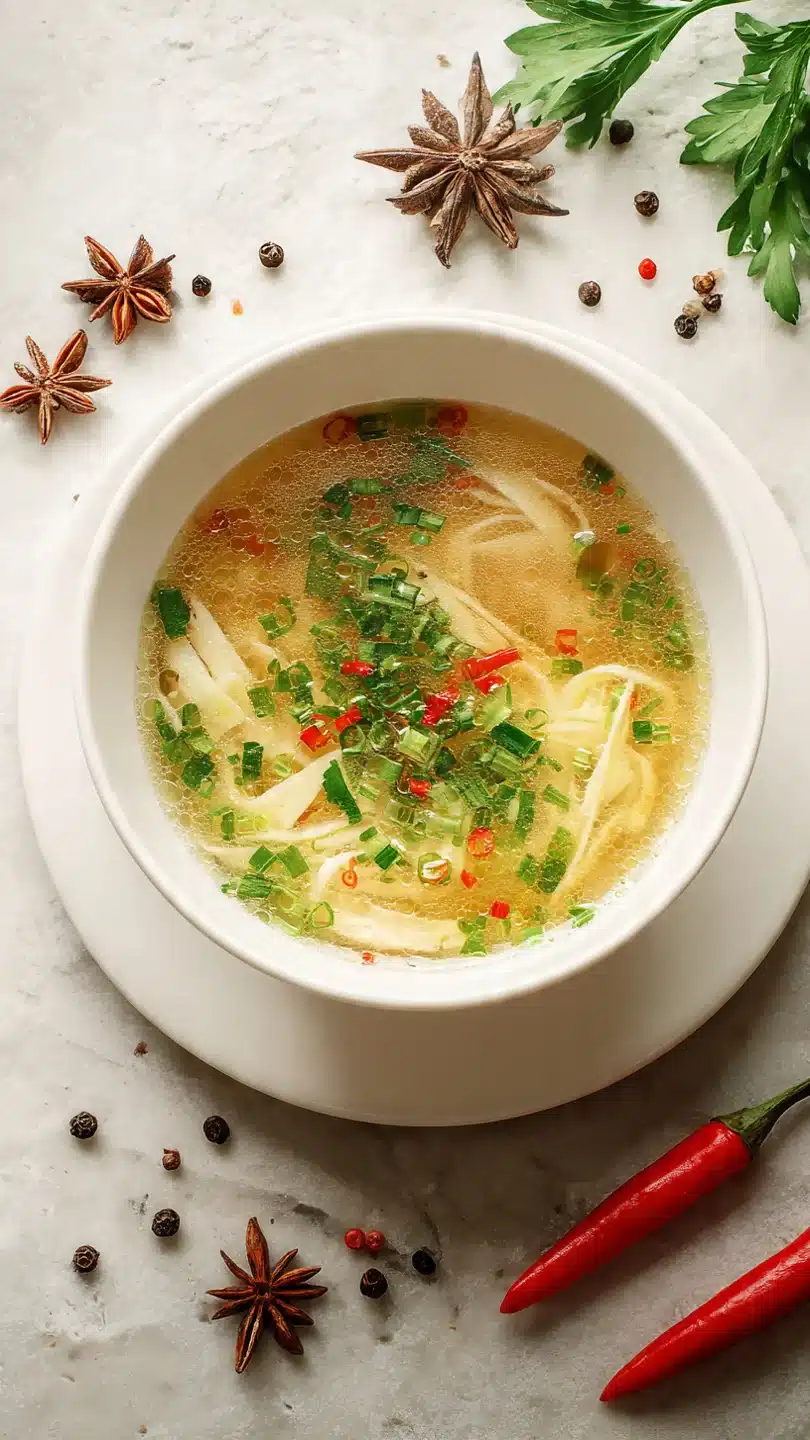
Chef’s Ultimate Chicken Noodle Soup Spice Blend
Ingredients
Equipment
Method
- Combine all dried herbs and spices in a small bowl. Using a whisk or fork, mix thoroughly for 1-2 minutes until the color is uniform. This ensures even distribution of flavors.
- Transfer the blend to an airtight glass jar or spice container. Label it with the name and date. Store in a cool, dark pantry away from heat and light to preserve potency for up to 6 months.


