
Stromboli pizza dough
There’s something incredibly satisfying about pulling a golden, bubbling stromboli from your own oven. The aroma of baked bread, melted cheese, and savory fillings is pure kitchen magic. But the secret to a great stromboli isn’t just the fillings—it all starts with the right dough.
As a chef, I’ve tested countless dough formulas, and this one is engineered specifically for the job: it’s sturdy enough to contain a generous filling without tearing, yet bakes up beautifully chewy with a crisp, blistered crust. Forget the cardboard-like disappointment of some versions; this dough creates a stromboli worthy of a centerpiece at your next gathering.
- Engineered for Structure: This dough uses bread flour for a higher protein content, creating the strong gluten network needed to roll, fill, and bake without leaks or blowouts.
- Perfect Texture Balance: It bakes up with a crisp, golden exterior and a tender, airy, slightly chewy crumb—the ideal vessel for any filling.
- Surprisingly Simple: While it requires some hands-off rising time, the active work is minimal and uses common pantry ingredients. Trust me, the process is very approachable.
- Incredibly Versatile: Once you master this base dough, you can create endless variations, from classic pepperoni and cheese to gourmet veggie or breakfast stromboli.
- Make-Ahead Friendly: The dough can be prepared a day in advance and refrigerated, or even frozen for future use, making meal planning a breeze.
- Crowd-Pleasing Results: Whether it’s game day, a family dinner, or a party appetizer, a homemade stromboli never fails to impress and delight.
Ingredients You’ll Need
Let’s gather our simple ingredients—this is where the alchemy happens. Using the right flour is non-negotiable for the perfect stromboli texture. Bread flour has a higher protein content (usually 12-14%) than all-purpose, which means it develops more gluten.
This gluten is what gives the dough its stretch and strength, allowing you to roll it thin and pack it with fillings without fear of a kitchen disaster. The warm water and sugar wake up the yeast, creating those essential air bubbles for a light interior. Olive oil enriches the dough, contributing to a more tender crumb and a better browning crust.
And salt? It’s not just for flavor; it tightens the gluten structure and controls yeast activity. If you can, use a kitchen scale for the flour.
Cup measurements can vary wildly, but 420 grams of bread flour will give you perfect results every time.
- Bread Flour: 3 1/2 cups (420g). This is the MVP. All-purpose flour will work in a pinch but will yield a softer, less chewy crust.
- Warm Water: 1 1/2 cups (355ml). The temperature is crucial. Too hot and you’ll kill the yeast; too cold and it won’t activate. Aim for 105-110°F (like warm bath water).
- Instant Yeast: 2 1/4 tsp (one packet). Instant yeast can be mixed directly with the dry ingredients, but I prefer to proof it with the water and sugar first to guarantee it’s alive and working.
- Olive Oil: 2 tbsp. Use a good quality extra virgin olive oil for the best flavor.
- Granulated Sugar: 2 tsp. This small amount provides food for the yeast without making the dough sweet.
- Fine Sea Salt: 2 tsp. Fine salt disperses evenly. If using table salt, reduce to 1 1/2 tsp.

Note: You’ll find the complete list of ingredients, along with their exact measurements, in the printable recipe card at the bottom of this post.
Kitchen Equipment Needed
You don’t need specialized equipment, but a few key tools will make the process smoother. A stand mixer with a dough hook takes the effort out of kneading, but you can absolutely make this by hand—just be prepared for a 10-12 minute arm workout. A large bowl, a reliable instant-read thermometer to check your water temperature, and a rolling pin are essentials.
I highly recommend using parchment paper on your baking sheet; it prevents sticking and makes cleanup trivial. A sharp serrated knife or lame is perfect for scoring the top of the stromboli before baking, which allows steam to escape and prevents unsightly bursting.
How to Make Stromboli Pizza Dough Recipe
Step 1: Activate the Yeast & Mix
In your stand mixer bowl, combine the warm water, sugar, and yeast. Give it a quick stir and let it sit for about 5 minutes. You’re looking for a creamy, foamy layer on top—this is your sign the yeast is active and ready.
Believe me, this simple step saves the heartbreak of a dough that never rises. Add the olive oil, bread flour, and salt. Attach the dough hook and mix on low speed until a ragged, shaggy dough comes together.
Step 2: Knead to Perfection
Now, increase the speed to medium and let the mixer knead the dough for 6-8 minutes. This is where the magic happens. The dough will transform from shaggy to smooth, elastic, and slightly tacky.
It should clean the sides of the bowl and form a ball around the hook. To test, gently stretch a small piece. If you can see light through it without it tearing immediately (the “windowpane test”), it’s ready.
Tip from me: If the dough is too sticky, add flour one tablespoon at a time. If it’s too dry, add water one teaspoon at a time.
Step 3: The First Rise
Lightly coat a clean large bowl with olive oil. Form your kneaded dough into a smooth ball, place it in the bowl, and turn it to coat in the oil. This prevents a dry skin from forming.
Cover the bowl tightly with plastic wrap or a damp kitchen towel. Find a warm, draft-free spot for it to rise. On top of the refrigerator or in a turned-off oven with the light on are perfect spots.
Let it rise until doubled in size, which will take about 1 hour. The time can vary based on your kitchen’s warmth.
Step 4: Shape the Dough Base
Once the dough is puffy and doubled, it’s time to punch it down. Gently press your fist into the center to deflate it—this releases large air bubbles that could cause uneven baking. Turn the dough out onto a lightly floured surface.
Using your hands and then a rolling pin, roll and stretch it into a large rectangle, roughly 16×12 inches. Aim for an even thickness of about 1/4 inch. Don’t worry if it’s not perfect; the dough is forgiving.
Step 5: Fill, Roll, and Prepare to Bake
Now for the fun part: the fillings. Layer your chosen meats, cheeses, and veggies over the dough, leaving a clear 1-inch border on all sides. Starting from one long side, roll the dough tightly over the fillings, like a jelly roll, using the parchment paper to help guide you if needed.
Once rolled, pinch the final seam and the ends tightly to seal. Carefully transfer the log, seam-side down, to a parchment-lined baking sheet. Let it rest for 15 minutes while your oven preheats to 400°F (200°C).
This short rest relaxes the gluten for a better final shape.
Step 6: Bake to Golden Brown
Before baking, use a sharp knife or razor blade to make 4-5 diagonal slashes about 1/2-inch deep on top of the stromboli. These are steam vents and will keep your creation from bursting open in the oven. For a gorgeous shine, brush the entire surface with olive oil or an egg wash.
Bake for 22-27 minutes, rotating the sheet halfway through, until the crust is a deep, uniform golden brown. The internal temperature should reach about 190°F (88°C) if you check with a thermometer. Let it cool on the pan for at least 10 minutes before slicing—this allows the cheese to set slightly so your slices stay neat.
- Flour is Key: I can’t stress this enough. Bread flour is the single most important ingredient for success. Its high protein content (look for 12-13g per 100g on the nutrition label) builds the strong gluten structure that prevents a soggy, leaky stromboli.
- Temperature Control: The water temperature for the yeast is critical. Use an instant-read thermometer. At 105-110°F, the yeast is in its happy place. Water that’s too hot will kill it, and cold water will drastically slow it down.
- Don’t Skip the Rest: After rolling out the dough and before adding fillings, let it relax for 5 minutes. This prevents it from shrinking back as you try to shape it. The 15-minute rest after shaping, before baking, is also crucial for a better oven spring.
- Seal it Tight: After rolling, really pinch that seam and the ends together. You can also fold the ends under the log for extra security. A tight seal is your best defense against cheese eruptions in the oven.
- Bake for Color, Not Just Time: Ovens vary. Look for a rich, deep golden-brown color on the crust, not just the timer going off. A pale stromboli is an under-baked stromboli.
Recipe Variations
- Whole Wheat Stromboli Dough: Substitute up to 1 1/2 cups of the bread flour with whole wheat flour. The dough will be denser and nuttier, so you may need to add an extra tablespoon or two of water.
- Herb-Infused Dough: Add 2 tablespoons of finely chopped fresh herbs (like rosemary, thyme, or oregano) or 2 teaspoons of dried Italian seasoning to the dry ingredients for a fragrant, flavorful base.
- Everything Bagel Stromboli: Before the final rise on the shaped log, brush with water or egg wash and generously sprinkle with an “everything bagel” seasoning mix for a fantastic savory crunch.
- Breakstromboli: Fill with scrambled eggs, cooked breakfast sausage or bacon, and cheddar cheese. A perfect make-ahead brunch showstopper.
- Veggie Lover’s Delight: Sauté mushrooms, spinach, bell peppers, and onions until soft and any liquid has evaporated. Combine with mozzarella and ricotta cheese for a vegetarian masterpiece.
- Spicy Capicola & Hot Honey: Use spicy capicola or soppressata, provolone, and a drizzle of hot honey before rolling. After baking, brush with more hot honey for an incredible sweet-heat combination.
What to Serve With This Recipe
A stromboli is a complete meal in itself, but a few thoughtful sides can turn it into a feast. For a casual dinner, a simple, crisp green salad with a bright vinaigrette cuts through the richness perfectly. If you’re serving a crowd, consider a spread of Italian-inspired sides: marinated olives and peppers, a classic Caesar salad, or a bowl of garlic knots for the carb lovers.
For dipping, warm marinara sauce is non-negotiable. Ranch dressing is also a surprisingly popular (and delicious) option, especially with a pepperoni and cheese filling. Beverage-wise, a light, fizzy Italian red like Lambrusco or a hoppy IPA beer are fantastic pairings that complement the savory, cheesy flavors.
Storage & Make-Ahead Instructions
- Storage: Leftover baked stromboli can be stored in an airtight container in the refrigerator for up to 4 days. Reheat slices in a 350°F oven or toaster oven for 10-12 minutes until warm and crisp. Avoid the microwave, as it will make the crust soggy.
- Freezing Baked Stromboli: Let the baked stromboli cool completely, then wrap the whole log or individual slices tightly in plastic wrap and then aluminum foil. Freeze for up to 3 months. Reheat from frozen in a 375°F oven for 20-25 minutes (longer for a whole log).
- Make-Ahead Dough: You can prepare the dough through the first rise, then punch it down, wrap it tightly in plastic, and refrigerate for up to 24 hours. When ready to use, let it sit at room temperature for 30 minutes before rolling out. The cold fermentation will actually develop more flavor.
- Freezing Dough: After the first rise, shape the dough into a ball, wrap tightly, and freeze for up to 3 months. Thaw overnight in the refrigerator before using.
Frequently Asked Questions
Q: Can I use all-purpose flour instead of bread flour?
A: You can, but the results will differ. All-purpose flour has less protein, so the dough will be softer, less chewy, and more prone to tearing when rolled thin. The stromboli will still be tasty, but it won’t have the ideal professional texture and strength.
Q: My dough didn’t rise. What went wrong?
A: The most common culprits are old/expired yeast or water that was too hot (which kills yeast) or too cold (which deactivates it). Always check the expiration date on your yeast and use a thermometer for the water. The environment should also be warm—a cold, drafty kitchen will slow rising significantly.
Q: How do I prevent the stromboli from leaking or bursting open?
A: Three things: 1) Don’t overfill it. 2) Ensure you have a tight seal on the seam and ends. 3) Don’t forget to score the top with a sharp knife before baking!
Those slits are essential steam vents.
Q: Can I make this dough in advance?
A: Absolutely. After the first rise, punch it down, wrap it tightly, and refrigerate for up to 24 hours. This “cold ferment” actually improves flavor.
Let it sit out for 30 minutes before rolling.
Q: What’s the best cheese for stromboli?
A: You want a combination of melt and flavor. Low-moisture, part-skim mozzarella is the standard for its excellent melt. Provolone adds a sharper flavor.
I often use a blend of the two. Avoid fresh mozzarella (it’s too wet) or pre-shredded cheese (it contains anti-caking agents that can hinder melting).
Q: How do I know when the stromboli is done baking?
A: Look for a deep golden-brown crust. You can also check the internal temperature with an instant-read thermometer; it should read about 190°F (88°C) in the center of the dough.
Q: Can I add raw meats like sausage to the filling?
A: For food safety and to prevent excess grease, always cook raw meats like sausage or ground beef thoroughly and drain any fat before adding them to the stromboli. Only cured meats like pepperoni or salami can be added raw.
Final Thoughts
Mastering this stromboli pizza dough is like unlocking a secret weapon for easy, impressive meals. It’s more forgiving than you might think, and the payoff—a gorgeous, golden, cheesy masterpiece from your own kitchen—is immense. This recipe represents years of kitchen testing, distilling the process down to the essential steps that guarantee success.
Remember, the quality of your flour and taking the time to let the dough rise properly are your tickets to a perfect crust. Once you’ve made it once, you’ll see how adaptable it is, ready to be filled with whatever inspires you. So preheat your oven, gather your ingredients, and get ready for the rewarding process of creating something truly delicious from scratch.
I’d love to hear how it turns out—share your creations and variations with me!
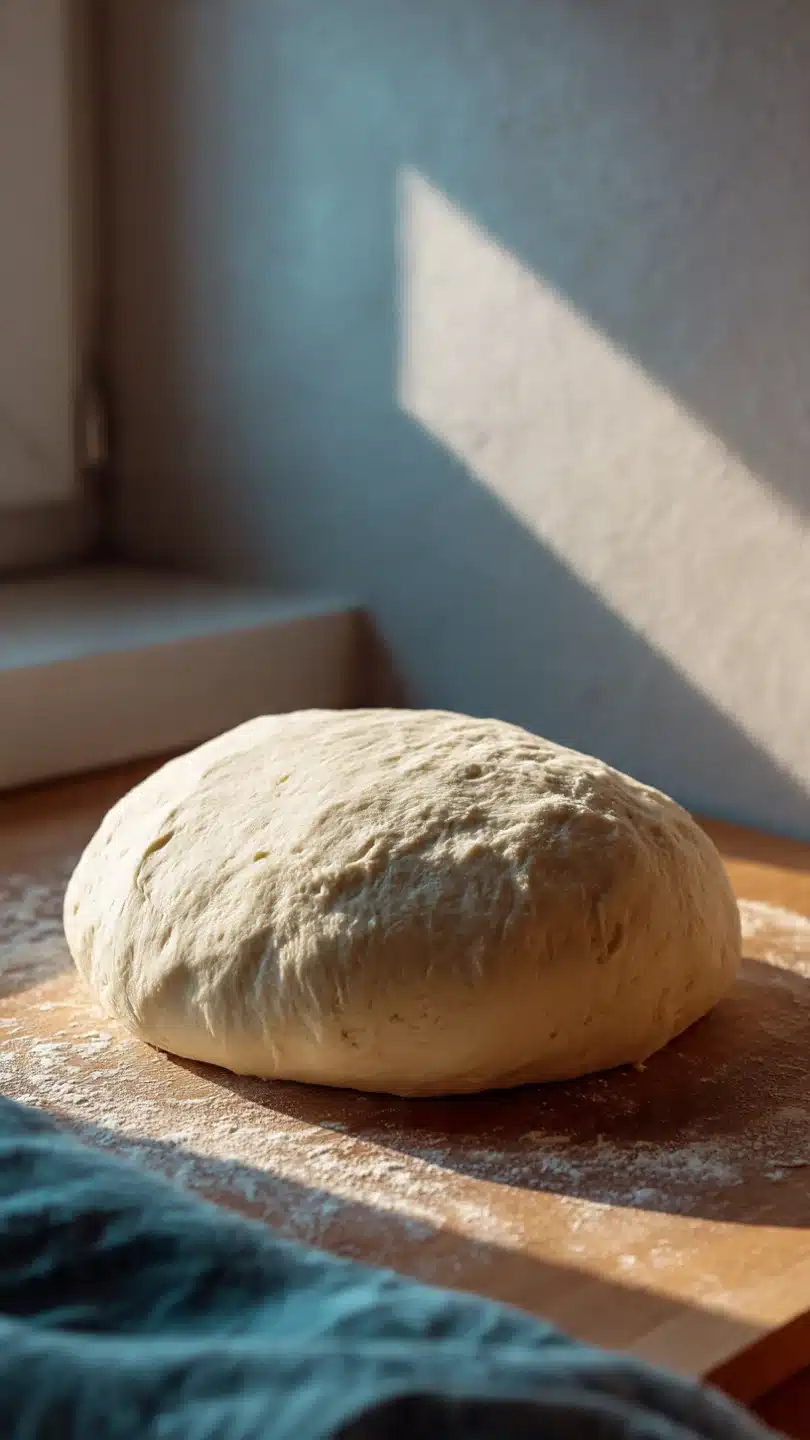
Perfect Stromboli Pizza Dough
Ingredients
Equipment
Method
- In the bowl of a stand mixer fitted with the dough hook, combine the warm water, sugar, and yeast. Let it sit for 5 minutes until foamy. Add the olive oil, bread flour, and salt. Mix on low speed until a shaggy dough forms, about 2 minutes.
- Increase the mixer speed to medium and knead for 6-8 minutes, until the dough is smooth, elastic, and pulls cleanly away from the sides of the bowl. The dough should be slightly tacky but not sticky. If it’s too sticky, add 1 tbsp of flour at a time. If it’s too dry, add water 1 tsp at a time.
- Lightly oil a large bowl. Form the dough into a smooth ball, place it in the bowl, and turn to coat with oil. Cover tightly with plastic wrap or a damp kitchen towel. Let rise in a warm, draft-free place until doubled in size, about 1 hour.
- Punch down the risen dough to release air bubbles. Turn it out onto a lightly floured surface. Using a rolling pin, roll the dough into a large rectangle, about 16×12 inches and 1/4-inch thick. Try to keep the thickness even for consistent baking.
- Add your desired stromboli fillings, leaving a 1-inch border on all sides. Starting from a long side, tightly roll the dough into a log, pinching the seam and ends to seal. Transfer to a parchment-lined baking sheet, seam-side down. Let rest for 15 minutes while preheating the oven to 400°F (200°C).
- Brush the top of the stromboli with olive oil or an egg wash (1 egg beaten with 1 tbsp water). Use a sharp knife to cut 4-5 shallow slits across the top for steam to escape. Bake for 22-27 minutes, until deeply golden brown. Let cool for 10 minutes before slicing and serving.


