
Pizza sauce recipe
There’s a quiet magic that happens when you slide a homemade pizza into a hot oven. But the secret to that transcendent, restaurant-quality pie isn’t just in the dough or the cheese—it’s in the sauce. A great pizza sauce is the soul of the pizza, a vibrant, flavorful foundation that should sing with the taste of ripe tomatoes, fragrant herbs, and good olive oil, not shout with sugar and preservatives.
After 15 years in professional kitchens, I can tell you that the difference between a good pizza and a great one often comes down to this simple, 15-minute component. Let’s make a sauce that will become your new pantry staple.
- Restaurant-Quality at Home: This recipe replicates the balanced, bright flavor profile of a top-tier pizzeria’s sauce, using technique over complexity.
- 15-Minute Wonder: From pantry to pizza in a quarter of an hour, with both a no-cook and quick-cook option to suit your time and taste.
- Total Control: You decide the texture, salt level, and herb balance. No more hidden sugars or unwanted additives from a jar.
- Incredibly Versatile: Beyond pizza, this sauce is fantastic as a dip for breadsticks, a base for pasta, or a spread for sandwiches.
- Cost-Effective: A single batch, often cheaper than a premium jarred sauce, makes enough for multiple pizzas.
- Diet-Friendly: Naturally vegan, gluten-free, and dairy-free, making it a crowd-pleaser for various dietary needs.
Ingredients You’ll Need
Let’s gather our ingredients—this is where the alchemy begins. You’ll be amazed how these simple pantry staples create a sauce far greater than the sum of its parts. The star, without question, is the tomato.
I strongly recommend seeking out a can of San Marzano tomatoes (D.O.P. certified if possible). Grown in the volcanic soil near Naples, they have a uniquely sweet, low-acidity flavor and fewer seeds that make them the gold standard for pizza sauce.
If you can’t find them, a high-quality can of crushed tomatoes is an excellent backup. For the fat and flavor, a robust extra virgin olive oil is non-negotiable—it carries the aroma of the garlic and herbs. Fresh garlic provides the essential pungent backbone, while dried oregano and basil offer that classic Italian-American pizza parlor fragrance.
Kosher salt and black pepper are your primary seasonings. A pinch of red pepper flakes adds a subtle warmth, and a tiny amount of sugar can be used to round out the acidity of lesser tomatoes, but with good San Marzanos, you often won’t need it.

Note: You’ll find the complete list of ingredients, along with their exact measurements, in the printable recipe card at the bottom of this post.
Kitchen Equipment Needed
You don’t need any fancy gadgets. A large mixing bowl is your main stage. A potato masher is perfect for crushing whole tomatoes into a pleasingly rustic texture, though a few pulses in a food processor work if you prefer smoother.
You’ll need measuring spoons for accuracy, especially with dried herbs. A microplane or garlic press makes mincing garlic effortless. A small bowl is handy for mixing the herb paste.
If you choose the cooked sauce variation, a small saucepan and a wooden spoon are all you need.
How to Make Pizza Sauce Recipe
Step 1: Prepare the Tomato Base
Start by pouring your entire can of San Marzano tomatoes, with all their glorious juices, into your large bowl. Trust me, those juices are packed with flavor. Now, get in there with clean hands or use a potato masher and crush those tomatoes.
You’re aiming for a texture with some pleasant, small chunks—it shouldn’t be a completely smooth puree. That variation in texture makes for a more interesting sauce on the pizza. If you’re using already crushed tomatoes, you can move right along.
Step 2: Create the Flavor Paste
This is my professional trick for maximizing flavor with dried herbs. In your small bowl, combine the finely minced garlic, dried oregano, dried basil, salt, black pepper, and red pepper flakes. Now, pour the two tablespoons of extra virgin olive oil over this mixture and stir it into a loose, fragrant paste.
Believe me, this step “blooms” the dried herbs in the oil, releasing their essential oils and ensuring their flavor distributes evenly throughout the sauce without any bitter, dusty bits.
Step 3: Combine and Season
Scrape every bit of that aromatic herb-garlic paste into your bowl of crushed tomatoes. Using a large spoon or spatula, stir everything together until thoroughly and beautifully combined. This is your moment to taste.
The sauce should taste vibrant and well-seasoned, but remember, Tip from me: the flavors will concentrate slightly when baked in a hot oven. If the tomatoes taste a bit sharp or acidic, this is when you’d stir in that optional teaspoon of sugar to balance it.
Step 4: Choose Your Path: No-Cook or Quick-Cook
Now you have a choice that defines the sauce’s character. For a bright, fresh, authentically Neapolitan-style sauce, simply cover the bowl and let it sit at room temperature for at least 30 minutes. This allows the flavors to marry beautifully.
For a deeper, slightly sweeter, and more cooked flavor profile (my preference for many American-style pizzas), transfer the sauce to a saucepan. Simmer it over low heat for just 5 to 7 minutes, stirring occasionally, until it thickens slightly and darkens a shade. Then, let it cool before using.
Step 5: Apply and Store
Your masterpiece is ready! When saucing your pizza dough, use the back of a spoon to spread a thin, even layer, leaving that crucial border for your crust. A common mistake is over-saucing, which leads to a soggy pizza.
Any leftover sauce should be cooled and transferred to an airtight container. Step back and admire your work—you’ve just made the heart of a fantastic pizza.
- Tomato Texture is Key: Avoid using a blender for whole tomatoes, as it incorporates too much air and can make the sauce frothy and pale. Hand-crushing or a food processor pulse is the way.
- The Garlic Rule: Never sauté the garlic separately for this style of sauce. Raw garlic minced into the paste mellows perfectly during baking and provides a cleaner, sharper garlic note that defines great pizza sauce.
- Salt Strategically: If you’re using canned tomatoes that contain salt, reduce the added salt in the recipe by half, taste, and adjust from there.
- Fresh vs. Dried Herbs: Dried oregano and basil are traditional for pizza sauce as they withstand the high oven heat better. If using fresh basil, add torn leaves to the sauce after it has cooled, or better yet, garnish the baked pizza with it.
- The Doneness Test (Cooked Version): When simmering, the sauce is ready when you can drag a spoon across the bottom of the pan and the path holds for a second before the sauce fills it in.
Recipe Variations
- Spicy Arrabbiata Style: Increase the red pepper flakes to 1/2 teaspoon or add a finely minced fresh red chili pepper to the garlic paste for a pronounced kick.
- Herb-Infused Oil: Gently warm the olive oil with a sprig of fresh rosemary and a few basil leaves over low heat for 5 minutes. Strain and use this flavored oil to make your herb paste.
- Roasted Garlic Bliss: Replace the raw minced garlic with 3-4 cloves of sweet, mellow roasted garlic. Mash them into the herb paste for a deeply savory, caramelized flavor.
- “Everything” Marinara: Add 1/2 teaspoon of dried onion powder and a pinch of dried fennel seed to the herb paste. This creates a more complex, all-purpose Italian sauce perfect for pasta too.
- Vegan “Umami” Boost: Stir in 1/2 teaspoon of nutritional yeast or a few drops of aged balsamic vinegar at the end of cooking to add a deep, savory, cheesy-like complexity without dairy.
- White Pizza Sauce: For a completely different direction, replace the tomatoes with 1 cup of whole milk ricotta cheese, blended with the garlic, herbs, olive oil, salt, pepper, and 1/4 cup of grated Parmesan.
What to Serve With This Recipe
Obviously, this sauce is destined for pizza glory on your favorite homemade or store-bought dough. But its usefulness extends far beyond. Use it as a vibrant dipping sauce for homemade garlic knots or focaccia.
Thin it out with a little pasta water for a quick and incredibly flavorful weeknight spaghetti sauce. It makes a brilliant base for shakshuka or a flavorful layer in lasagna. For a party, serve it warm as a fondue-style dip with a platter of grilled vegetables, meatballs, and crusty bread.
Beverage-wise, it pairs wonderfully with a bright, acidic Chianti, a hoppy IPA to cut through the richness, or even a sparkling water with lemon.
Storage & Make-Ahead Instructions
- Refrigeration: Store cooled sauce in an airtight container in the refrigerator for up to 5 days. The flavors often improve after a day.
- Freezing: This sauce freezes exceptionally well for up to 3 months. Freeze it in a sealed container or, for ultimate convenience, portion it into an ice cube tray. Once frozen, pop the cubes into a freezer bag. Each cube is roughly the perfect amount for one personal pizza.
- Reheating: Thaw frozen sauce overnight in the fridge. Reheat gently in a saucepan over low heat if desired, though you can often use it straight from the fridge on your pizza dough.
- Make-Ahead Strategy: This sauce is a perfect weekend prep project. Make a double or triple batch on Sunday, and you have pizza night solved for weeks. The no-cook version requires no reheating before use.
Frequently Asked Questions
Q: Can I use fresh tomatoes instead of canned?
A: You can, but it requires more work. You’ll need to blanch, peel, seed, and crush about 2 pounds of ripe Roma or plum tomatoes. Canned tomatoes are consistently ripe, cooked, and peeled, making them more reliable for sauce year-round.
Q: My sauce tastes a bit bland. What did I do wrong?
A: Blandness is almost always an under-seasoning issue. Tomatoes need a surprising amount of salt to shine. Add salt in 1/4 teaspoon increments, tasting after each addition.
Also, ensure your dried herbs are fresh—old herbs lose their potency.
Q: How do I know if my sauce is too thick or too thin for pizza?
A: The ideal consistency is similar to a slightly thinned-out ketchup. It should spread easily but not be runny. If it’s too thick, stir in a tablespoon of water or olive oil.
If too thin, simmer the cooked version a few minutes longer to reduce.
Q: Can I make this sauce completely raw (no simmering)?
A: Absolutely! The no-cook method is authentic to Neapolitan pizza. Just let the combined sauce rest for 30+ minutes to allow the salt to draw out the tomato juices and the flavors to meld.
The high heat of the pizza oven will “cook” it.
Q: Is the sugar necessary?
A: No, it’s entirely optional. High-quality San Marzano tomatoes are naturally low in acidity and sweet. Sugar is a tool to balance the sharper acidity of some standard canned tomato products.
Always taste first.
Q: How much sauce should I use per pizza?
A: For a 12-inch pizza, use about 1/2 to 2/3 cup of sauce. The key is a thin, even layer. Too much sauce will steam the dough and prevent a crisp crust.
Q: Can I add onions or other vegetables?
A: Traditional pizza sauce is simple and tomato-forward. Adding finely minced onions or carrots would create more of a marinara. If you do, sauté them until very soft before adding to the tomatoes to avoid a watery sauce.
Final Thoughts
Mastering your own pizza sauce is one of those small kitchen victories that pays dividends for years. It transforms pizza night from a transactional meal into a creative, satisfying ritual. This recipe gives you the foundation—the perfect balance of tomato, fat, garlic, and herb—and the confidence to tweak it into your own signature sauce.
Remember, the best part is the control you now have over what goes into your food. So, grab those tomatoes, crush them with purpose, and get ready for the best homemade pizza of your life. I’d love to hear how it turns out for you—tag me on social media or leave a comment below with your creations or favorite variations.
Now, go preheat that oven.
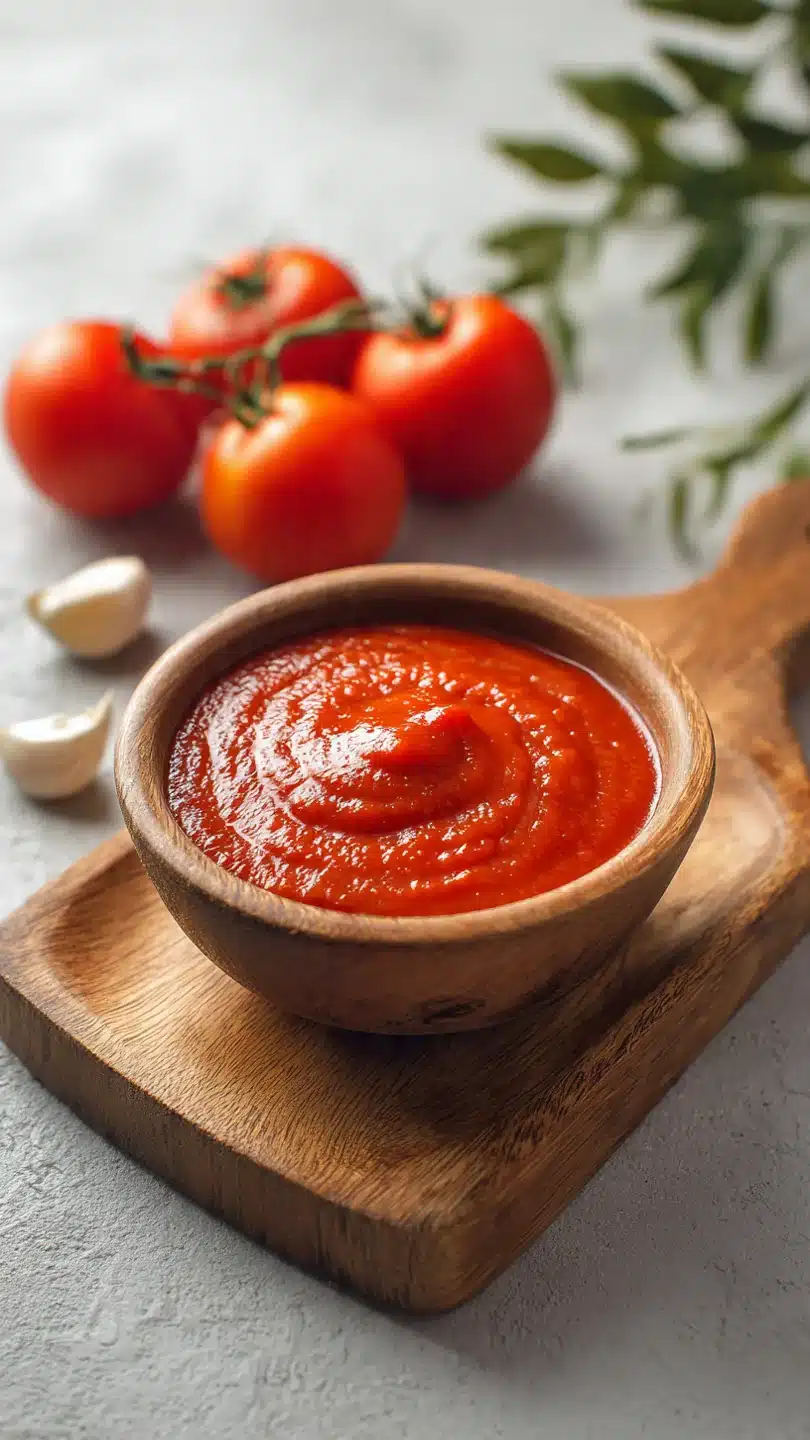
Classic Homemade Pizza Sauce
Ingredients
Equipment
Method
- If using whole tomatoes, pour the entire can (including juices) into a large bowl. Using clean hands or a potato masher, crush the tomatoes until you achieve a rustic, slightly chunky texture. For a smoother sauce, you can pulse them briefly in a food processor, but avoid making it puree-smooth.
- In a small bowl, combine the minced garlic, dried oregano, dried basil, salt, black pepper, and red pepper flakes (if using). Pour the 2 tablespoons of extra virgin olive oil over the spice mixture and stir to create a fragrant paste. This step helps bloom the dried herbs and infuse the oil.
- Add the herb-garlic paste to the crushed tomatoes. Stir thoroughly to combine. If using, add the optional sugar now. Taste the sauce—it should be vibrant and well-seasoned. Remember, flavors will concentrate slightly when baked on pizza.
- For a no-cook sauce, simply cover the bowl and let the sauce rest at room temperature for at least 30 minutes to allow the flavors to meld. For a deeper, cooked flavor, simmer the sauce in a saucepan over low heat for 5-7 minutes, stirring occasionally, then let it cool.
- Your sauce is ready to use! Spread a thin, even layer over your pizza dough, leaving a border for the crust. Store any leftover sauce in an airtight container in the refrigerator.


