
Gluten free pizza dough
Craving the perfect pizza night but need to keep it gluten-free? You’re in luck! This gluten-free pizza dough recipe is designed to deliver that irresistible crispy yet chewy crust you love, without the gluten.
Whether it’s a cozy family dinner or a fun gathering with friends, this dough will be the star of the show. Expect a golden, flavorful base that’s sturdy enough to hold your favorite toppings and delightfully tender when you bite into it.
Why You’ll Love This Recipe- Gluten-Free Goodness: Perfect for those with gluten sensitivities or celiac disease.
- Versatile and Customizable: Easily adaptable to your favorite toppings and flavors.
- Crispy Yet Chewy: Achieves the ideal texture that rivals traditional pizza dough.
- Quick Prep Time: Ready in just 35 minutes, including rising time.
- Nutrient-Rich: Includes almond flour for added health benefits.
Let’s gather our ingredients—these simple pantry staples create magic together, even without gluten. For the base, we’ll use:
- Gluten-free all-purpose flour: Look for a blend that’s specifically designed for baking. My go-to is Bob’s Red Mill or King Arthur’s Measure for Measure.
- Almond flour: Adds richness and a nutty flavor to the crust. Make sure it’s finely ground for the best texture.
- Xanthan gum: Essential if your gluten-free flour blend doesn’t already contain it, to help with dough elasticity.
- Active dry yeast: The key to a light and airy crust. Ensure it’s fresh and active.
- Sugar: Just a teaspoon to activate the yeast.
- Warm water: At 110°F, perfect for yeast activation.
- Olive oil: For moisture and flavor, plus more for greasing.
- Salt: Enhances the overall flavor of the dough.

Note: You’ll find the complete list of ingredients, along with their exact measurements, in the printable recipe card at the bottom of this post.
To make this gluten-free pizza dough, you’ll need:
- Large mixing bowl
- Small bowl for yeast activation
- Wooden spoon or your hands for mixing
- Pizza stone or an inverted baking sheet for crisping the crust
- Parchment paper to prevent sticking
- Rolling pin for shaping the dough
How to Make Gluten-Free Pizza Dough Recipe
Step 1: Activate the Yeast
In a small bowl, combine the warm water, sugar, and yeast. Let it sit for about 5-10 minutes until it becomes frothy. Trust me, this step is crucial for a light and airy crust.
If the yeast doesn’t activate, start over with fresh yeast to ensure your dough rises properly.
Step 2: Mix the Dry Ingredients
In a large mixing bowl, whisk together the gluten-free all-purpose flour, almond flour, xanthan gum (if using), and salt. Create a well in the center of the dry ingredients. This step ensures even distribution of the ingredients, which is especially important in gluten-free baking.
Step 3: Combine Wet and Dry
Pour the yeast mixture and olive oil into the well. Using a wooden spoon or your hands, mix until a dough forms. It will be sticky, but that’s normal for gluten-free dough.
Believe me, the stickiness is what gives you that wonderful texture later on.
Step 4: Knead and Rise
Transfer the dough to a lightly floured surface and knead gently for about 2 minutes. Shape the dough into a ball and place it in a greased bowl, covering it with a damp cloth. Let it rise in a warm place for 30 minutes.
Tip from me: If your kitchen is cool, preheat your oven to the lowest setting, turn it off, and let the dough rise inside for a cozy environment.
Step 5: Roll Out and Bake
Preheat your oven to 475°F (245°C) and place a pizza stone or inverted baking sheet inside to heat up. Roll out the dough on a piece of parchment paper to your desired thickness. Now comes the fun part—add your favorite toppings!
Carefully transfer the pizza (with the parchment) onto the hot stone or baking sheet. Bake for 12-15 minutes, or until the crust is golden and the toppings are cooked. Step back and admire your masterpiece before slicing and serving.
Professional Tips & Techniques Pro tip: To ensure a crispier crust, pre-bake the dough for 5 minutes before adding toppings. This helps to set the base and prevents sogginess. Temperature matters: Use water at exactly 110°F to activate the yeast. Too hot, and you’ll kill the yeast; too cold, and it won’t activate properly. Kneading technique: Handle the dough gently to avoid overworking it, which can make it tough. Gluten-free dough doesn’t need the same level of kneading as traditional dough. Visual cues for doneness: Look for a golden-brown crust with bubbly edges. The cheese should be melted and slightly browned on top. Recipe Variations & Customizations Herb Infusion: Add fresh herbs like basil or oregano to the dough for an aromatic twist. Simply chop them finely and mix them in with the dry ingredients. Cheese Crust: Mix in shredded mozzarella or Parmesan cheese to the dough for a cheesy, flavorful crust. About 1/2 cup of cheese should do the trick. Vegan Option: Substitute the active dry yeast with a vegan-friendly yeast alternative and use a plant-based milk instead of water for a vegan version of the dough. Spicy Kick: Include red pepper flakes or finely chopped jalapeños in the dough for a spicy pizza experience. Start with 1/2 teaspoon and adjust to taste. What to Serve With This RecipeThis gluten-free pizza dough pairs wonderfully with a variety of sides and beverages. Consider serving it with a fresh arugula salad dressed with lemon vinaigrette for a light and refreshing complement. For beverages, a crisp white wine like Pinot Grigio or a craft beer can elevate your pizza night.
If you’re hosting a larger gathering, consider making a few different topping options to cater to everyone’s tastes, from classic margherita to a hearty meat-lover’s pizza.
Storage & Make-Ahead InstructionsStore any leftover pizza in an airtight container in the refrigerator for up to 3 days. To reheat, preheat your oven to 350°F (175°C) and bake the pizza slices on a baking sheet for about 10 minutes, or until heated through. For make-ahead convenience, you can prepare the dough up to the rising stage, then refrigerate it overnight.
Let it come to room temperature before rolling out and baking. Avoid freezing the dough as it can affect the texture.
Nutritional BenefitsThis gluten-free pizza dough is packed with nutritional benefits. The gluten-free all-purpose flour provides a digestible alternative for those with gluten sensitivities, while the almond flour adds healthy fats and protein to the mix. With just 250 calories per serving, this recipe is a great option for those watching their calorie intake, and the fiber content helps keep you feeling full and satisfied.
Frequently Asked Questions Q: Can I make this dough ahead of time?Yes, you can prepare the dough up to the rising stage and refrigerate it overnight. Let it come to room temperature before rolling out and baking.
Q: What can I use instead of almond flour?You can substitute almond flour with an equal amount of additional gluten-free all-purpose flour or try using finely ground sunflower seed flour for a nut-free option.
Q: How do I know when the pizza is done?Look for a golden-brown crust with bubbly edges. The cheese should be melted and slightly browned on top.
Q: Can I freeze the dough?It’s not recommended to freeze this dough as it can affect the texture. However, you can freeze baked pizza slices for up to a month.
Q: What toppings work best with this dough?This dough is versatile and works well with any toppings. Classic options like tomato sauce, mozzarella, and basil are always a hit, but feel free to get creative with your favorite ingredients.
Q: How can I make the crust crispier?For a crispier crust, pre-bake the dough for 5 minutes before adding toppings. This helps to set the base and prevents sogginess.
Q: Can I use this dough for other recipes?Absolutely! This dough can be used to make gluten-free calzones, breadsticks, or even as a base for flatbreads.
Recipe Origin or HistoryPizza, originating from Italy, has evolved over time to accommodate various dietary needs, including gluten-free diets. Traditional pizza dough relies heavily on wheat flour, but with the rise in gluten sensitivity and celiac disease, gluten-free alternatives have become increasingly popular. This recipe combines the classic flavors and textures of pizza with modern gluten-free ingredients, ensuring everyone can enjoy a slice of the action.
Final ThoughtsThis gluten-free pizza dough recipe is a game-changer for anyone looking to enjoy delicious pizza without the gluten. Its versatility, ease of preparation, and delightful texture make it a must-try. I encourage you to experiment with different toppings and share your creations with friends and family.
Don’t forget to rate this recipe and leave a comment with your experience. And if you love it as much as I do, share it on social media and inspire others to try it out. Enjoy your gluten-free pizza night!
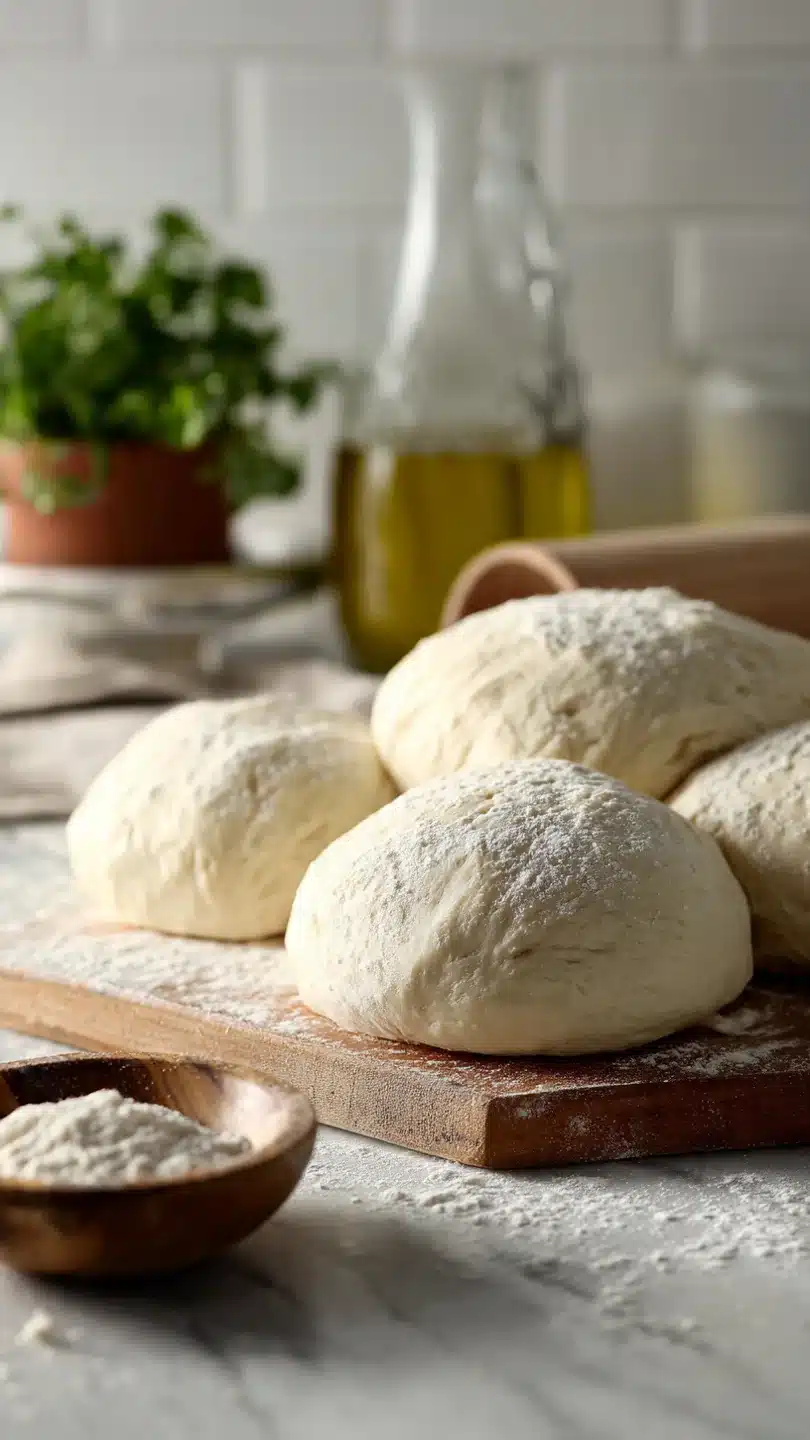
Gluten-Free Pizza Dough
Ingredients
Equipment
Method
- In a small bowl, combine the warm water, sugar, and yeast. Let it sit for about 5-10 minutes until it becomes frothy, indicating the yeast is active.
- In a large mixing bowl, whisk together the gluten-free all-purpose flour, almond flour, xanthan gum (if using), and salt. Create a well in the center of the dry ingredients.
- Pour the yeast mixture and olive oil into the well. Using a wooden spoon or your hands, mix until a dough forms. It will be sticky, but that’s normal for gluten-free dough.
- Transfer the dough to a lightly floured surface and knead gently for about 2 minutes. Shape the dough into a ball and place it in a greased bowl, covering it with a damp cloth. Let it rise in a warm place for 30 minutes.
- Preheat your oven to 475°F (245°C) and place a pizza stone or inverted baking sheet inside to heat up. Roll out the dough on a piece of parchment paper to your desired thickness. Add your favorite toppings and carefully transfer the pizza (with the parchment) onto the hot stone or baking sheet. Bake for 12-15 minutes, or until the crust is golden and the toppings are cooked.


