
Chewy Snickerdoodle Cookies – Baking Recipe
The aroma of cinnamon and sugar wafting through your kitchen is enough to make anyone’s mouth water. These chewy Snickerdoodle cookies are the perfect blend of soft, moist centers and crisp, cinnamon-sugar coated edges. Whether you’re baking for a special occasion or just craving a sweet treat, these cookies are sure to satisfy your sweet tooth.
- Chewy Texture: These cookies have a delightful chewiness that sets them apart from other cookies.
- Cinnamon-Sugar Coating: The classic Snickerdoodle flavor is enhanced by rolling the dough in cinnamon-sugar before baking.
- Easy to Make: With simple ingredients and straightforward steps, even novice bakers can achieve great results.
- Versatile: Perfect for holiday gatherings, after-school snacks, or any time you need a comforting treat.
- Customizable: Easily adjust the amount of cinnamon or add other flavors to suit your taste.
Ingredients You’ll Need
Let’s gather our ingredients—these simple pantry staples create magic together. You’ll need:
- All-purpose flour: The base of our cookies, providing structure and tenderness.
- Cream of tartar: This ingredient is key for the unique tangy flavor and chewy texture of Snickerdoodles.
- Baking soda: Helps the cookies rise and spread properly.
- Salt: Enhances the overall flavor of the cookies.
- Unsalted butter: Softened to room temperature for easy creaming with sugar.
- Granulated sugar: For sweetness and to help with the texture of the cookies.
- Large eggs: Bind the ingredients together and add moisture.
- Vanilla extract: Adds a subtle, aromatic flavor to the cookies.
- Ground cinnamon: The star of the cinnamon-sugar coating.
For the best results, use high-quality ingredients. If you need a substitution, you can use baking powder instead of cream of tartar and baking soda, though the flavor and texture may be slightly different. Specialty items like cream of tartar can usually be found in the baking aisle of most grocery stores.
[INGREDIENTIMAGEPLACEHOLDER]Kitchen Equipment Needed
To make these chewy Snickerdoodle cookies, you’ll need:
- Mixing bowls
- Electric mixer (stand or handheld)
- Baking sheets
- Parchment paper
- Measuring cups and spoons
- Whisk
- Spatula
- Wire rack
How to Make Chewy Snickerdoodle Cookies Recipe
Step 1: Preheat and Prepare
Preheat your oven to 350°F (175°C) and line two baking sheets with parchment paper. This ensures your cookies won’t stick and bake evenly.
Step 2: Mix Dry Ingredients
In a medium bowl, whisk together the flour, cream of tartar, baking soda, and salt. Set aside. This step ensures even distribution of the leavening agents.
Step 3: Cream Butter and Sugar
In a large bowl, cream together the softened butter and 1 1/2 cups of granulated sugar until light and fluffy, about 3 minutes. Add the eggs one at a time, beating well after each addition. Stir in the vanilla extract.
The creaming process incorporates air, which helps achieve the desired texture.
Step 4: Combine Wet and Dry Ingredients
Gradually add the dry ingredients to the wet ingredients, mixing until just combined. Be careful not to overmix, as this can lead to tough cookies.
Step 5: Roll and Coat
In a small bowl, mix together the 1/4 cup of sugar and the cinnamon for rolling. Scoop tablespoon-sized balls of dough and roll them in the cinnamon-sugar mixture until coated. Place them on the prepared baking sheets, spacing them about 2 inches apart.
Step 6: Bake and Serve
Bake for 8-10 minutes, or until the edges are set but the centers are still soft. Let the cookies cool on the baking sheet for 5 minutes before transferring them to a wire rack to cool completely. This cooling step helps the cookies set without overcooking.
Step back and admire your perfectly chewy Snickerdoodle cookies before serving.
Pro tip: For an extra chewy texture, slightly underbake the cookies and let them cool on the baking sheet. The residual heat will continue to cook them without drying them out. Temperature matters: Use room temperature butter for the creaming process. Cold butter won’t cream properly, and melted butter can lead to flat cookies. Mixing technique: Be careful not to overmix the dough once the dry ingredients are added. Overmixing can develop the gluten in the flour, leading to tough cookies. Visual cues: Look for cookies that are set around the edges but still soft in the center. They will continue to cook on the baking sheet as they cool.Recipe Variations & Customizations
- Cinnamon Boost: Increase the amount of cinnamon in the rolling mixture for a more pronounced flavor.
What to Serve With This Recipe
These chewy Snickerdoodle cookies pair wonderfully with a variety of beverages and dishes. Serve them with:
- A glass of cold milk for the classic pairing
- A cup of hot tea or coffee for a cozy treat
- Vanilla ice cream for a delicious cookie sandwich
- Fresh fruit as a light and refreshing accompaniment
Consider making these cookies for holiday parties, bake sales, or as a comforting snack after a long day. They’re versatile enough to fit any occasion.
Storage & Make-Ahead Instructions
- Store your chewy Snickerdoodle cookies in an airtight container at room temperature for up to one week. For longer storage, freeze the cookies in a single layer on a baking sheet, then transfer them to a freezer-safe bag or container. They can be frozen for up to three months.
To make these cookies ahead of time, prepare the dough and roll it into balls. Place the dough balls on a baking sheet and freeze until solid. Transfer the frozen dough balls to a freezer-safe bag or container.
When ready to bake, roll the frozen dough balls in the cinnamon-sugar mixture and bake as directed, adding a couple of extra minutes to the baking time.
Nutritional Benefits
- These cookies provide a quick source of energy from carbohydrates, which can be beneficial for an afternoon pick-me-up. They also contain small amounts of protein for muscle maintenance. However, they are best enjoyed in moderation due to their sugar and fat content.
Frequently Asked Questions
Q: Can I make this ahead of time?
Yes, you can prepare the dough and freeze it. Roll the dough into balls, freeze them on a baking sheet, then transfer to a freezer-safe container. When ready to bake, roll in cinnamon-sugar and bake, adding a few extra minutes.
Q: What can I substitute for cream of tartar?
You can use 2 teaspoons of baking powder in place of the cream of tartar and baking soda. The flavor and texture may be slightly different, but it will still work.
Q: How do I know when the cookies are done?
The cookies are done when the edges are set but the centers are still soft. They will continue to cook on the baking sheet as they cool.
Q: Can I freeze these cookies?
Yes, you can freeze baked cookies in an airtight container for up to three months. Thaw at room temperature before serving.
Q: How can I adjust the flavor?
You can increase or decrease the amount of cinnamon in the rolling mixture to suit your taste. Adding other spices like nutmeg or pumpkin pie spice can also create a different flavor profile.
Q: What if my cookies spread too much?
If your cookies spread too much, try chilling the dough for 30 minutes before baking. Also, ensure your butter is just softened, not melted.
Q: Can I make these cookies vegan?
Yes, use vegan butter and a flax egg (1 tbsp ground flaxseed mixed with 3 tbsp water) in place of regular butter and eggs.
Q: How do I prevent my cookies from becoming too hard?
Avoid overbaking the cookies. Remove them from the oven when the edges are set but the centers are still soft. They will firm up as they cool.
Recipe Origin or History
Snickerdoodle cookies have a long history in American baking, with roots tracing back to German and Dutch settlers. The name “Snickerdoodle” is thought to be a corruption of the German word “Schneckennudeln,” which means “snail noodles,” referring to the cookies’ spiral shape when rolled in cinnamon-sugar. These cookies have become a beloved classic, known for their unique texture and flavor.
Final Thoughts
These chewy Snickerdoodle cookies are a delightful treat that combines the classic flavors of cinnamon and sugar with a perfectly soft and chewy texture. They’re easy to make, customizable, and perfect for any occasion. Whether you’re baking for a special event or just craving a sweet snack, these cookies are sure to please.
Give this recipe a try and let us know what you think! Don’t forget to rate and share your results on social media. Enjoy your freshly baked Snickerdoodle cookies with a glass of cold milk for the ultimate indulgence.
Happy baking!
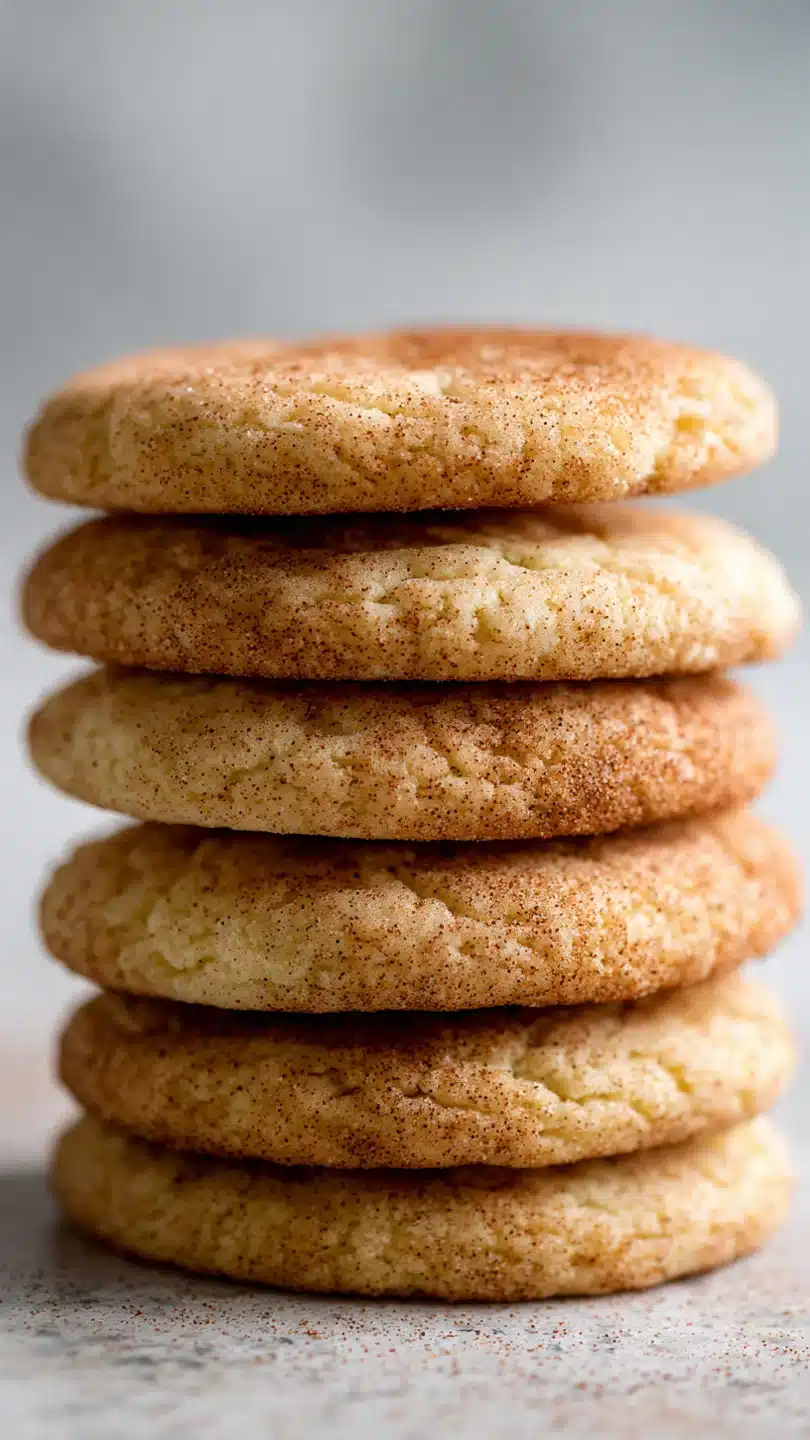
Chewy Snickerdoodle Cookies
Ingredients
Equipment
Method
- Preheat your oven to 350°F (175°C) and line two baking sheets with parchment paper. This ensures your cookies won’t stick and bake evenly.
- In a medium bowl, whisk together the flour, cream of tartar, baking soda, and salt. Set aside. This step ensures even distribution of the leavening agents.
- In a large bowl, cream together the softened butter and 1 1/2 cups of granulated sugar until light and fluffy, about 3 minutes. Add the eggs one at a time, beating well after each addition. Stir in the vanilla extract. The creaming process incorporates air, which helps achieve the desired texture.
- Gradually add the dry ingredients to the wet ingredients, mixing until just combined. Be careful not to overmix, as this can lead to tough cookies.
- In a small bowl, mix together the 1/4 cup of sugar and the cinnamon for rolling. Scoop tablespoon-sized balls of dough and roll them in the cinnamon-sugar mixture until coated. Place them on the prepared baking sheets, spacing them about 2 inches apart.
- Bake for 8-10 minutes, or until the edges are set but the centers are still soft. Let the cookies cool on the baking sheet for 5 minutes before transferring them to a wire rack to cool completely. This cooling step helps the cookies set without overcooking.


